

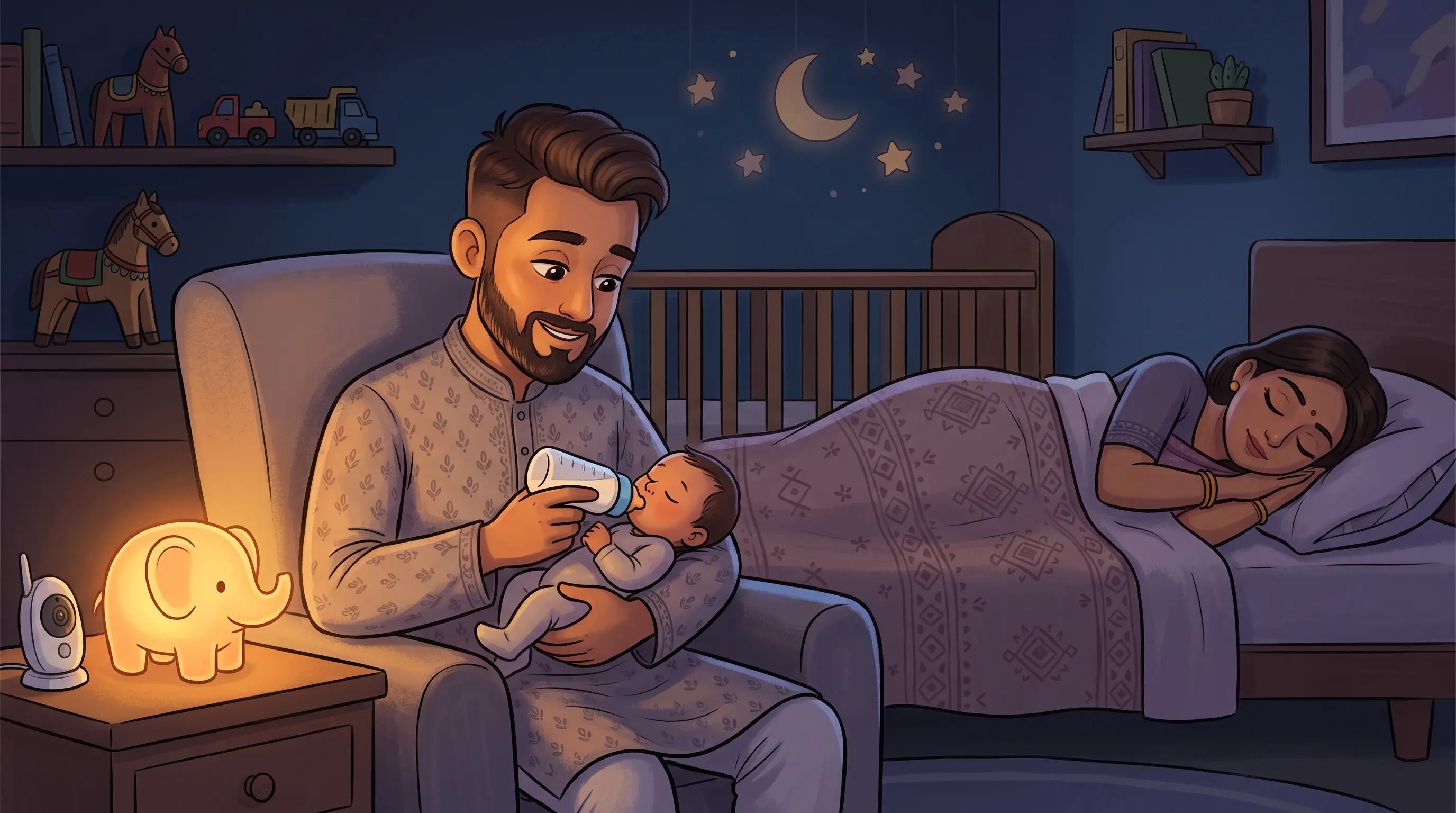
The Evolving Role of the Modern Father: Redefining Parenthood in Bangladesh
Explore how modern fathers are breaking traditional gender norms. Discover the shift from being strictly "providers" to becoming active caregivers, and why this equal partnership is vital for a mother’s mental health.
For generations in South Asia, the division of labor in a household was clear-cut, the father was the stoic provider, and the mother was the primary caregiver. But step into any modern home in Bangladesh today, and you are likely to see a very different picture. Today’s fathers are rewriting the rules of parenthood.
They are no longer just "helping out" or "babysitting" their own children; they are coparenting. From managing night feeds to navigating the complexities of diaper changes, the modern Bangladeshi father is actively stepping into a role that is crucial for the health of his child, his partner, and his marriage.
Breaking the "Provider-Only" Mold
As more households become dual income, the expectation that a mother can work a fulltime job and seamlessly manage 100% of the childcare is both unrealistic and unfair. The modern father understands that being a provider extends beyond finances. It means providing emotional stability, physical presence, and acts of service.
Tasks that were once culturally labeled as "women's work" are now recognized simply as parenting. Whether it is sterilizing bottles, preparing formula, or rocking a colicky baby at 3:00 AM, these acts are the foundation of a modern, balanced household.

The Lifeline for Maternal Mental Health
The transition into motherhood brings immense physical and emotional vulnerability. When a father steps up as an equal partner, it does more than just lighten the physical load; it drastically improves maternal mental health. Shared responsibility directly combats:
- Burnout and Exhaustion: Sleep equity is critical. When parents take shifts overnight, the mother gets the uninterrupted rest required for her physical recovery and milk production.
- Postpartum Isolation: When a father is deeply involved in the daily grind of newborn care, the mother feels seen and supported, reducing feelings of isolation and anxiety.
- Resentment: A marriage thrives on teamwork. Equal division of childcare prevents the resentment that builds when one partner feels they are carrying the entire weight of the family.
Building the Bond Early
Fathers who dive into hands on caregiving from day one build profound, lasting bonds with their children. A baby learns to associate their father's touch, voice, and smell with comfort and safety. This early attachment not only benefits the child's developmental milestones but also gives the father the confidence to trust his own parental instincts, rather than always deferring to the mother.
To the modern fathers stepping up: your involvement is not a favor, it is transformative. By sharing the mental and physical load, you are modeling a healthier, more equitable future for the next generation.
Random Posts

The first few months after childbirth are a critical time for a mother's physical healing and mental well being. Explore our comprehensive guide on navigating the fourth trimester, managing physical recovery, understanding postpartum depression, and prioritizing maternal health.
Read More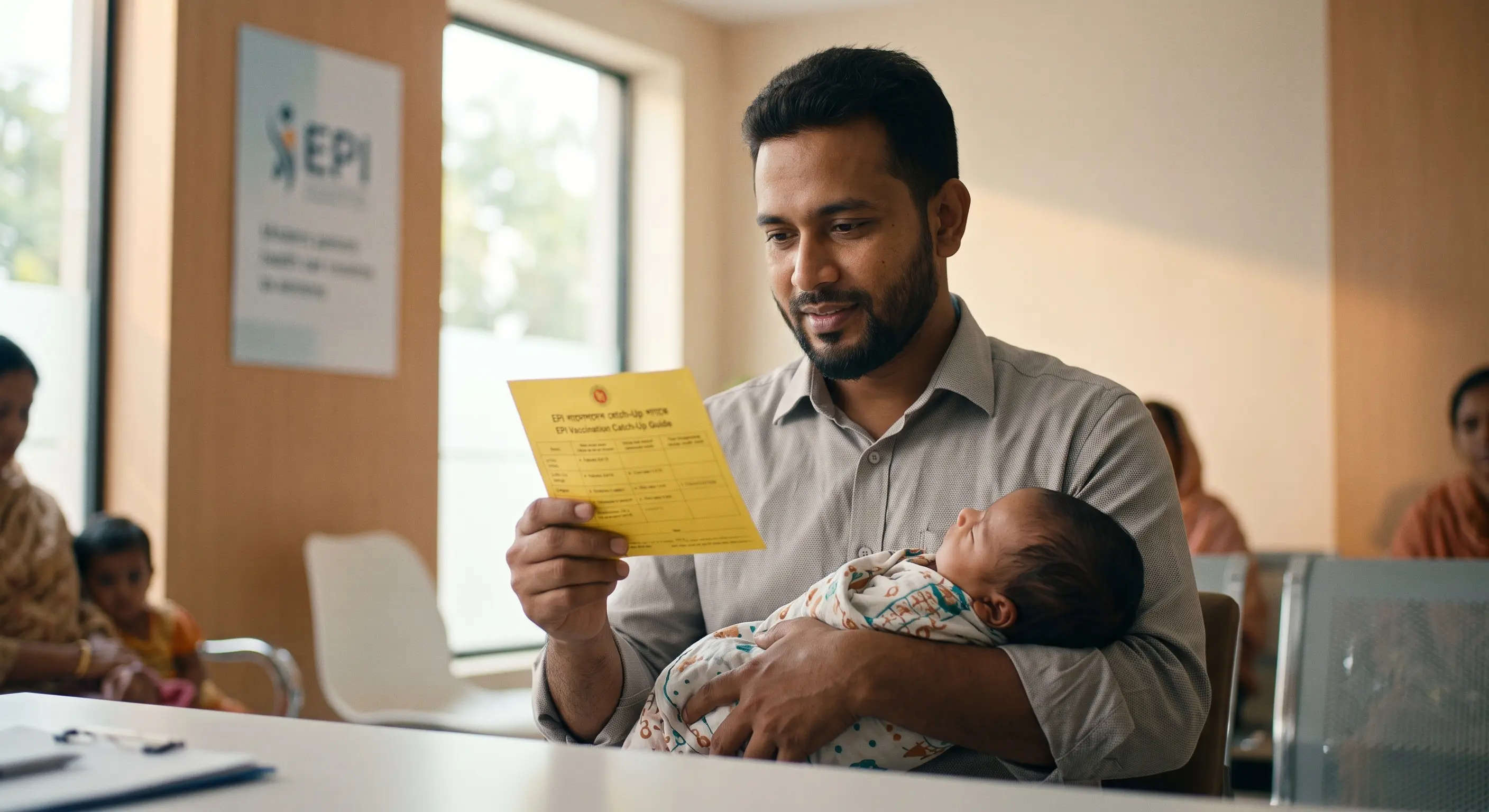
Did your baby miss a scheduled EPI vaccine due to a cold or a busy schedule? Don't panic. Learn what steps to take for delayed doses, when it is actually safe to postpone, and the facts behind common vaccination myths.
Read More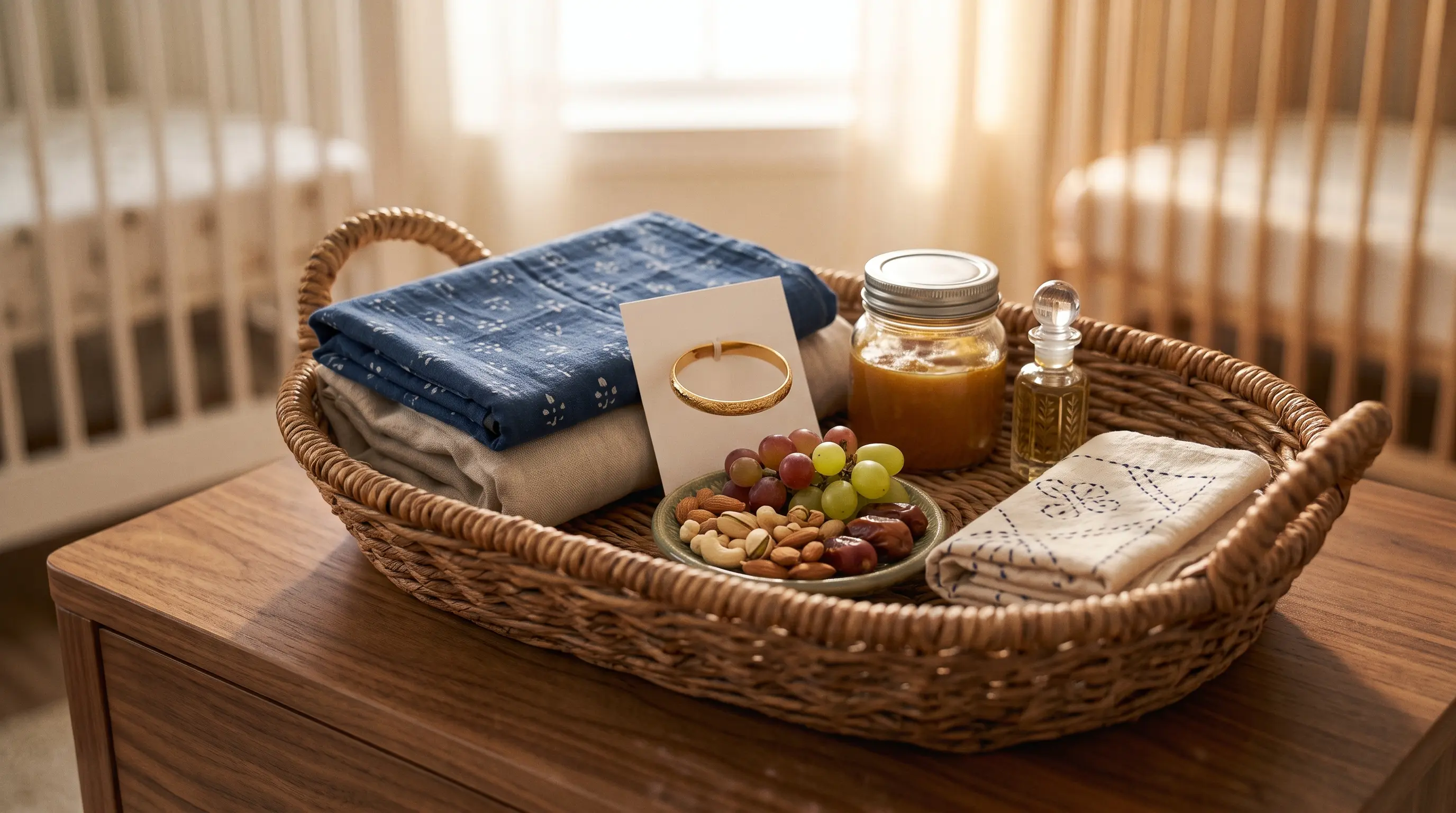
In South Asia, mothers are often expected to sacrifice everything while neglecting their own health. Learn how to navigate cultural pressures, handle unsolicited parenting advice, and prioritize your well-being without the guilt.
Read More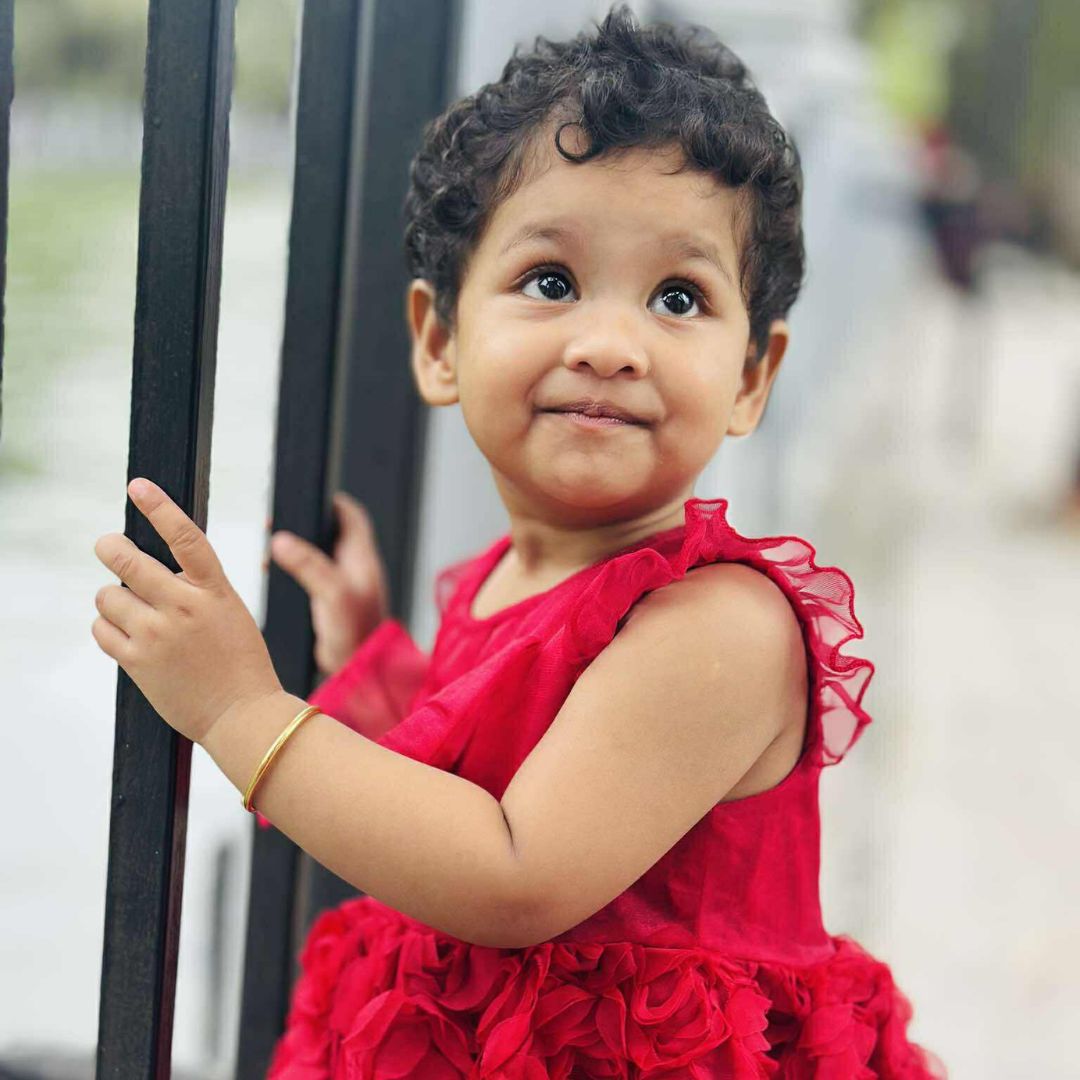
Let her bloom this summer in the Rose Bloom Lace Princess Dress. Featuring a stunning 3D rose mesh skirt, a beautiful statement bow, and a breathable soft cotton lining for all-day comfort. Available in red and pink.
Read More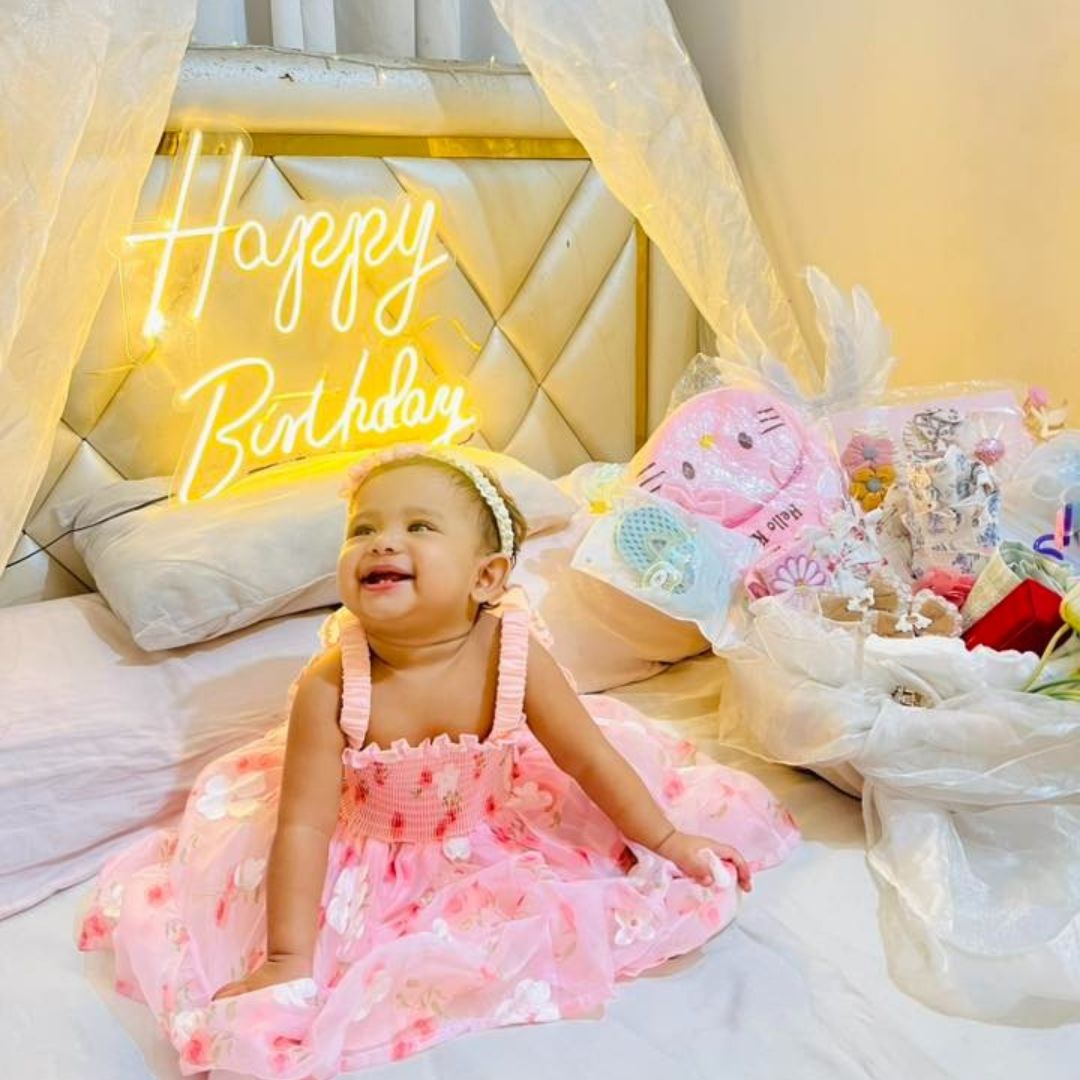
Throwing a fairy themed summer party? Read how Rina skipped the scratchy, hot costumes and found the perfect, breathable chiffon butterfly dress at YUSHA to make her daughter's magical dreams come true.
Read More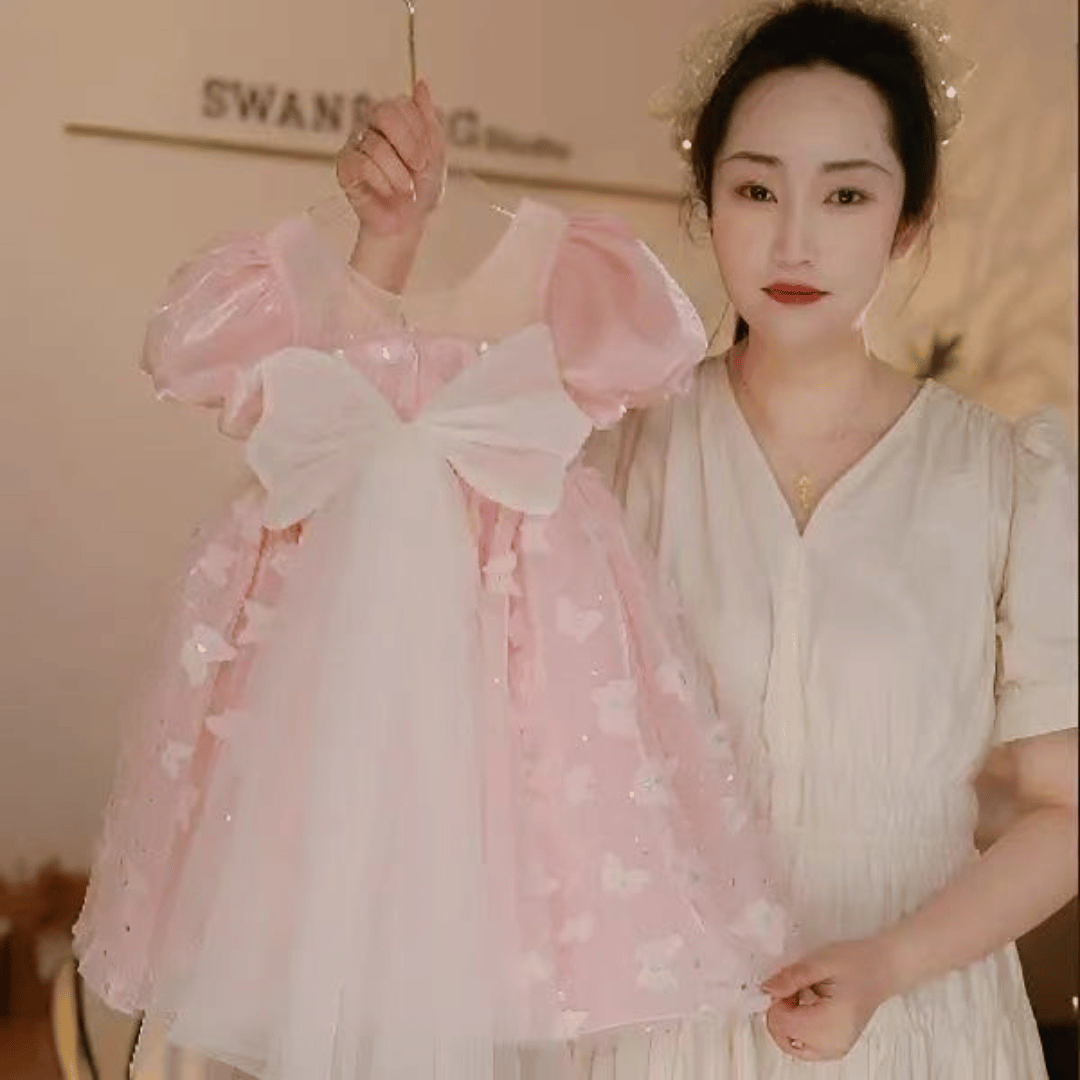
Discover the Butterfly Tulle Party Dress, featuring a graceful A-line silhouette, softened premium corduroy, and a charming large back bow. Perfect for birthdays, casual outings, and special occasions across spring, summer, and autumn.
Read More