

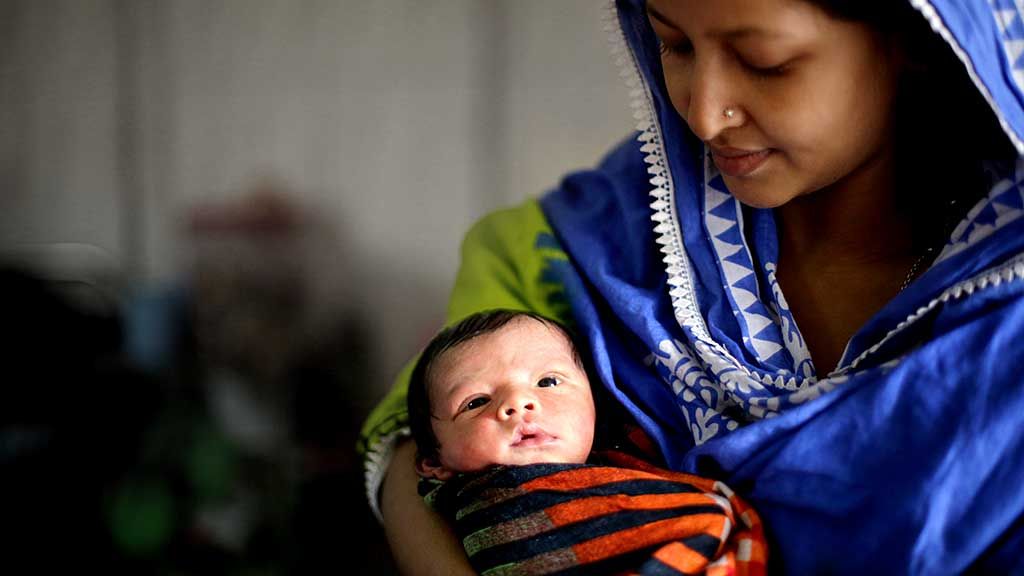
The Scale and Impact of Bangladesh's 2026 Measles Resurgence
A detailed look at the catastrophic 2026 measles outbreak in Bangladesh. Understand the scope of the crisis, the devastating mortality rate, and the current strain on the nation's healthcare infrastructure.
For a nation that has historically been praised for its robust and widespread immunization programs, the sudden resurgence of measles has served as an urgent public health wake up call. The outbreak began in late February 2026. According to assessments by the World Health Organization (WHO) and UNICEF, the situation rapidly escalated into a nationwide health crisis, leaving a trail of devastation across Bangladesh.
Understanding the sheer scale, the tragic mortality rate, and the trajectory of this outbreak is the first step for parents and communities to grasp the severity of the situation and take necessary precautions to protect the most vulnerable.
The Numbers: Nationwide Spread and Tragic Loss of Life
The speed at which the measles virus has spread throughout the country is a stark reminder of its highly contagious nature. Data from the Directorate General of Health Services (DGHS) reveals that the outbreak breached regional borders, affecting all 64 districts in Bangladesh. By late June 2026, over 92,000 to 95,760 suspected cases and more than 11,000 confirmed cases were documented nationwide.
Behind these statistics lies immense human tragedy. The 2026 outbreak has resulted in 680 suspected and 93 confirmed measles-related deaths by late June. High-density urban areas and informal settlements have been particularly hard hit, acting as catalysts for the rapid transmission of the virus.

The Devastating Impact on the Youth
Perhaps the most distressing aspect of the 2026 resurgence is its demographic target. Public health data indicates that children under the age of five account for 79% to 81% of all reported cases. Among these cases, 34% are infants under nine months who are not yet eligible for routine immunization.
For infants and toddlers, measles is far more than just a fever and a rash. Their developing immune systems leave them highly susceptible to severe, fatal complications. The mortality rate is drastically compounded by high levels of malnutrition in Bangladesh, which significantly increases the likelihood of severe illness, complications, and death.
A Strained Healthcare System
The rapid influx of critically ill patients has placed an immense burden on the national healthcare infrastructure, which faces escalating pressure, staff shortages, and limited diagnostic capacity.
- Infectious Diseases Hospital (IDH), Dhaka: As the primary referral center for severe cases, the Infectious Diseases Hospital (IDH) in Dhaka faced unprecedented overcrowding. The facility recorded 685 suspected cases by March 2026, with over 90 patients admitted in a single day. Limited isolation capacity and functional triage systems have increased the risk of cross infection.
- Regional Pressure: Facilities outside the capital, such as the Kushtia Medical College Hospital, similarly reported surging pediatric admissions. This regional hospital recorded 84 pediatric admissions and six deaths despite having a capacity of only 57 beds.
As the medical community continues to battle the immediate clinical needs of infected children, international health bodies and local authorities are working tirelessly to mitigate the devastation. But to truly overcome this crisis, we must understand how it happened in the first place. What caused a nation with a historically strong immunization record to experience such a severe resurgence? In our next article, we unpack the root causes of the 2026 outbreak, exploring the systemic immunity gaps and what it means for our public health future. Read our analysis on why measles returned here.
Random Posts
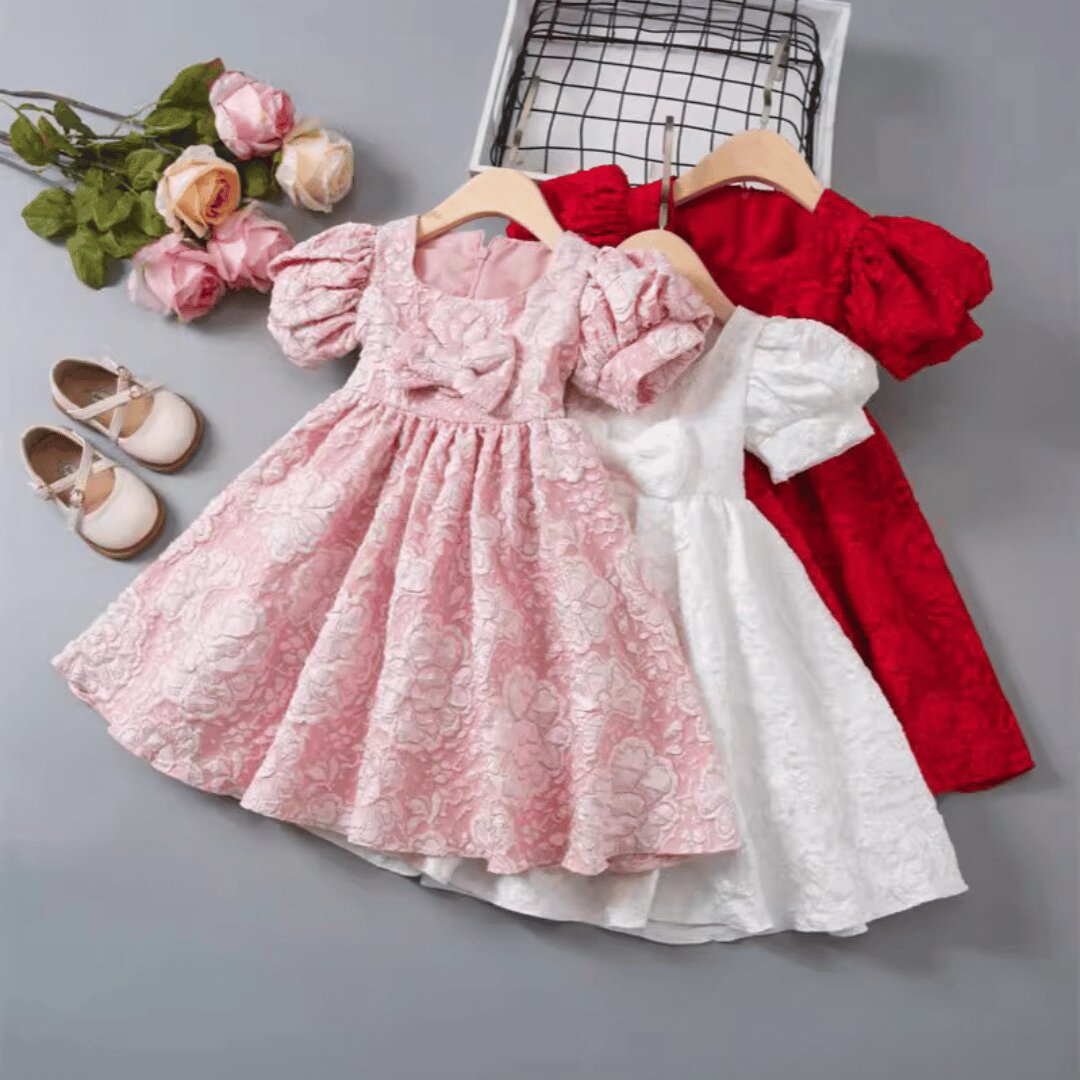
Love the look of heavy, luxurious formal dresses but hate how hot they make your toddler? Discover how Sadia found the perfect breathable, embossed floral dress at YUSHA that looks expensive but feels like a summer breeze.
Read More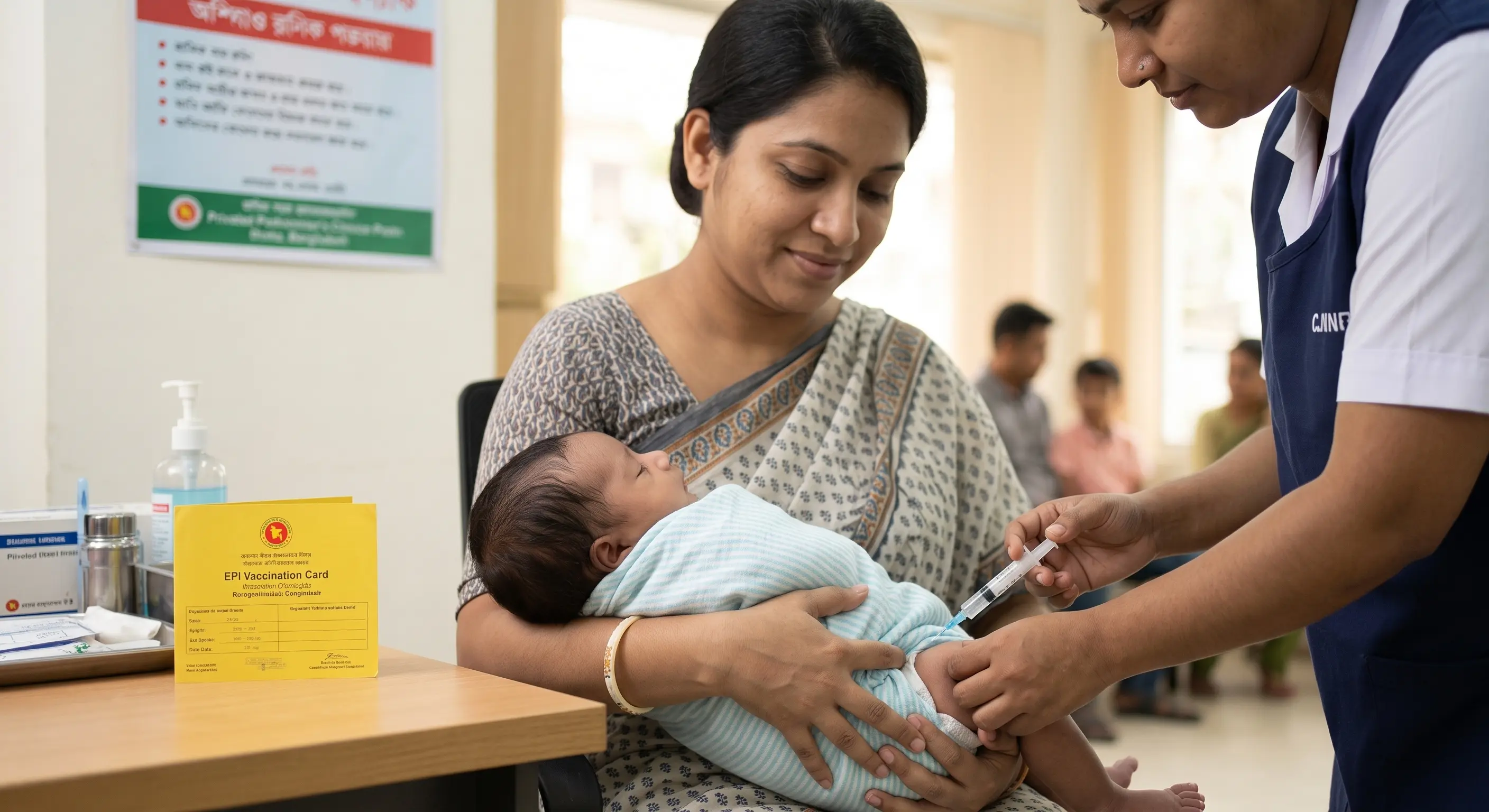
Vaccine day can be stressful for both parents and babies. Learn how to prepare for the appointment, understand normal side effects like mild fever, and discover the best ways to soothe your newborn after their EPI immunizations.
Read More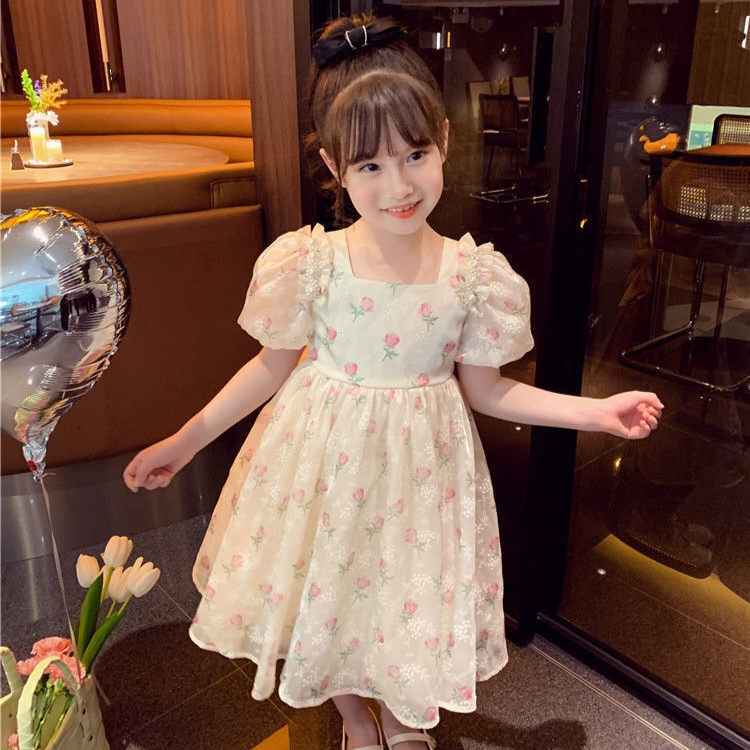
Worried about your little one melting in the hot, humid Eid-ul-Adha weather? Read how Nadia found the perfect balance of vintage elegance and breathable summer comfort with YUSHA's Vintage Rose Princess Dress.
Read More
Every parent wants their child to look like a star this Eid, but at what cost? Read Samia's story about finding the balance between festive style and toddler comfort.
Read More
Looking for a fairy-tale dress that won't make your toddler cry in the summer heat? Read how Farah found the perfect mesh party dress with a secret, skin-friendly cotton lining at YUSHA.
Read More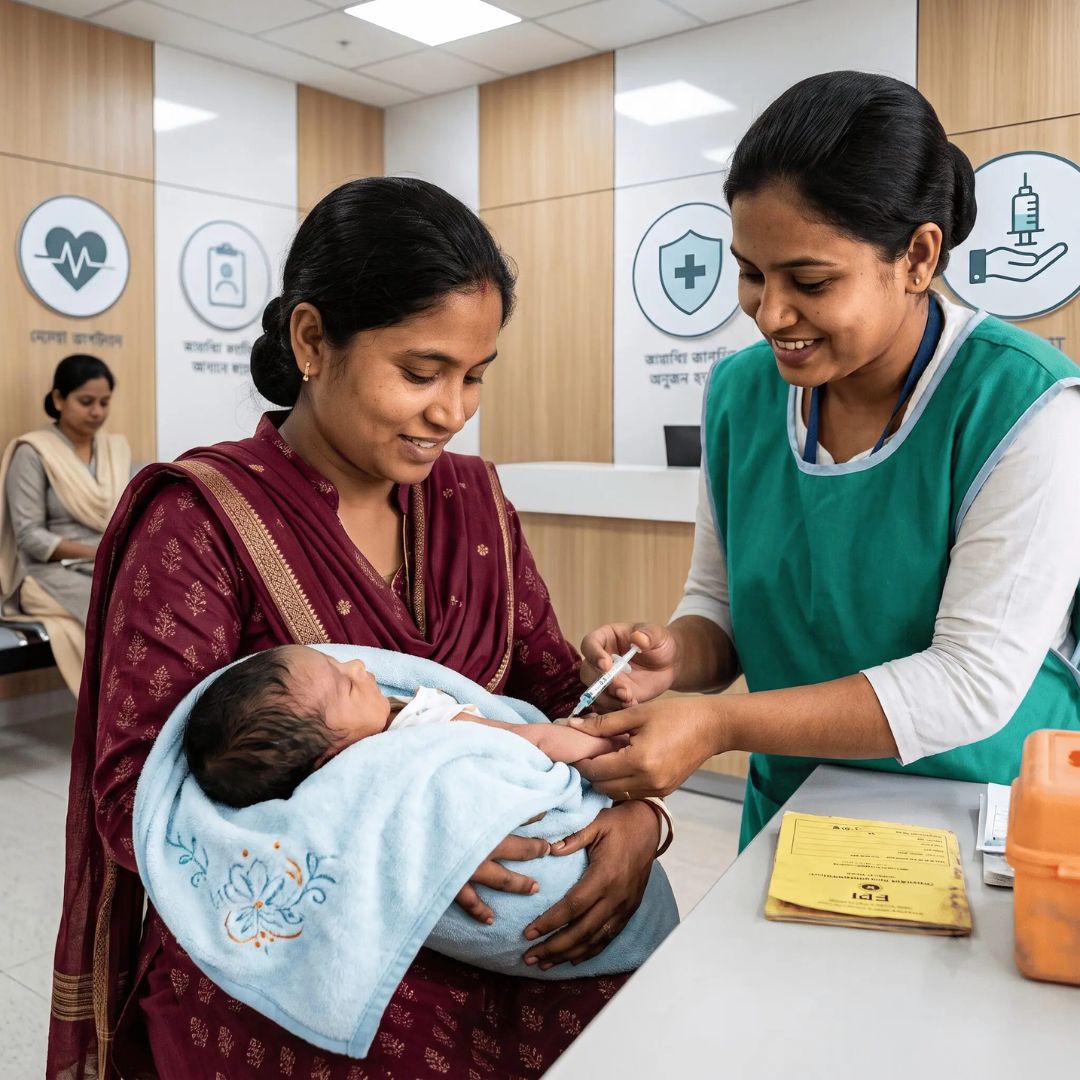
Welcoming a new baby comes with a lot of responsibilities. Simplify your baby's health journey with this clear, easy-to-read guide to Bangladesh’s official EPI newborn vaccination schedule for their first year.
Read More