


The Working Mother’s Return: Navigating Career, Childcare, and Mom Guilt
Returning to work after maternity leave is one of the hardest transitions for a new mother. Learn how to manage separation anxiety, handle childcare logistics, and overcome the overwhelming feeling of mom guilt as a modern Bangladeshi working mother.
The end of maternity leave brings a whirlwind of emotions. For many modern Bangladeshi women, returning to work is a necessity, a passion, or both. Yet, the day you step out of the door and leave your baby behind is often described as one of the hardest days of a mother's life.
Society frequently sends mixed signals, expecting women to work as if they do not have children, and to raise children as if they do not work. It is time to address the emotional toll of this transition, dismantle "mom guilt," and establish practical strategies for the working mother.
Confronting the Weight of "Mom Guilt"
Mom guilt is the persistent, sinking feeling that you are constantly falling short—either failing your employer because you are distracted, or failing your baby because you are absent. In South Asia, where the traditional model heavily favors stay-at-home motherhood, the working mother often faces subtle (and sometimes overt) judgment from extended family.
You must consciously reframe this narrative. Going to work does not mean you love your child any less. In fact, providing financial security, pursuing your ambitions, and modeling a strong work ethic are profound acts of love and parenting. Your child benefits from seeing a fulfilled, independent mother.
Navigating Childcare and Separation Anxiety
Whether you are relying on grandparents, hiring a nanny, or using a daycare center, the logistics of childcare require immense trust. Separation anxiety is completely normal for both you and your baby. To make the transition smoother, consider these steps:
- Conduct "Test Runs": Do not make your first day back at work the first day you leave your baby. Start by leaving the house for just an hour or two a few weeks prior to build trust with the caregiver and ease your own anxiety.
- Create a Goodbye Ritual: Keep your departures positive and brief. Lingering when you are visibly upset can transfer that anxiety to your baby. A simple, cheerful kiss and a consistent phrase like, "Maa will be back soon," helps establish a comforting routine.
- Set Digital Boundaries: Ask your caregiver for one or two designated photo updates during the day, rather than constantly checking your phone. This allows you to focus on work while still feeling connected.

The Reality of Pumping at Work
If you are continuing to breastfeed, pumping at the office introduces a whole new layer of complexity. Corporate environments in Bangladesh are slowly becoming more accommodating, but you still need to advocate for yourself. Have a clear conversation with your HR department or manager about your pumping schedule before you return. Block out your calendar, invest in a reliable portable pump, and remember that keeping your baby fed, however you manage to do it is a massive achievement.
Redefining the "Provider"
Transitioning back to work means accepting that your days will not look perfect. There will be days when you miss bedtime, and days when you are too exhausted to cook a fresh meal. This is where leaning on your partner becomes critical. A dual-income household requires dual-parenting responsibilities.
Give yourself grace. You are navigating two incredibly demanding full-time jobs. The quality of the time you spend with your child matters far more than the quantity. You are doing enough, and you are exactly the mother your baby needs.
Random Posts

Throwing a fairy themed summer party? Read how Rina skipped the scratchy, hot costumes and found the perfect, breathable chiffon butterfly dress at YUSHA to make her daughter's magical dreams come true.
Read More
Worried about your little one melting in the hot, humid Eid-ul-Adha weather? Read how Nadia found the perfect balance of vintage elegance and breathable summer comfort with YUSHA's Vintage Rose Princess Dress.
Read More
Every parent wants their child to look like a star this Eid, but at what cost? Read Samia's story about finding the balance between festive style and toddler comfort.
Read More
Did your baby miss a scheduled EPI vaccine due to a cold or a busy schedule? Don't panic. Learn what steps to take for delayed doses, when it is actually safe to postpone, and the facts behind common vaccination myths.
Read More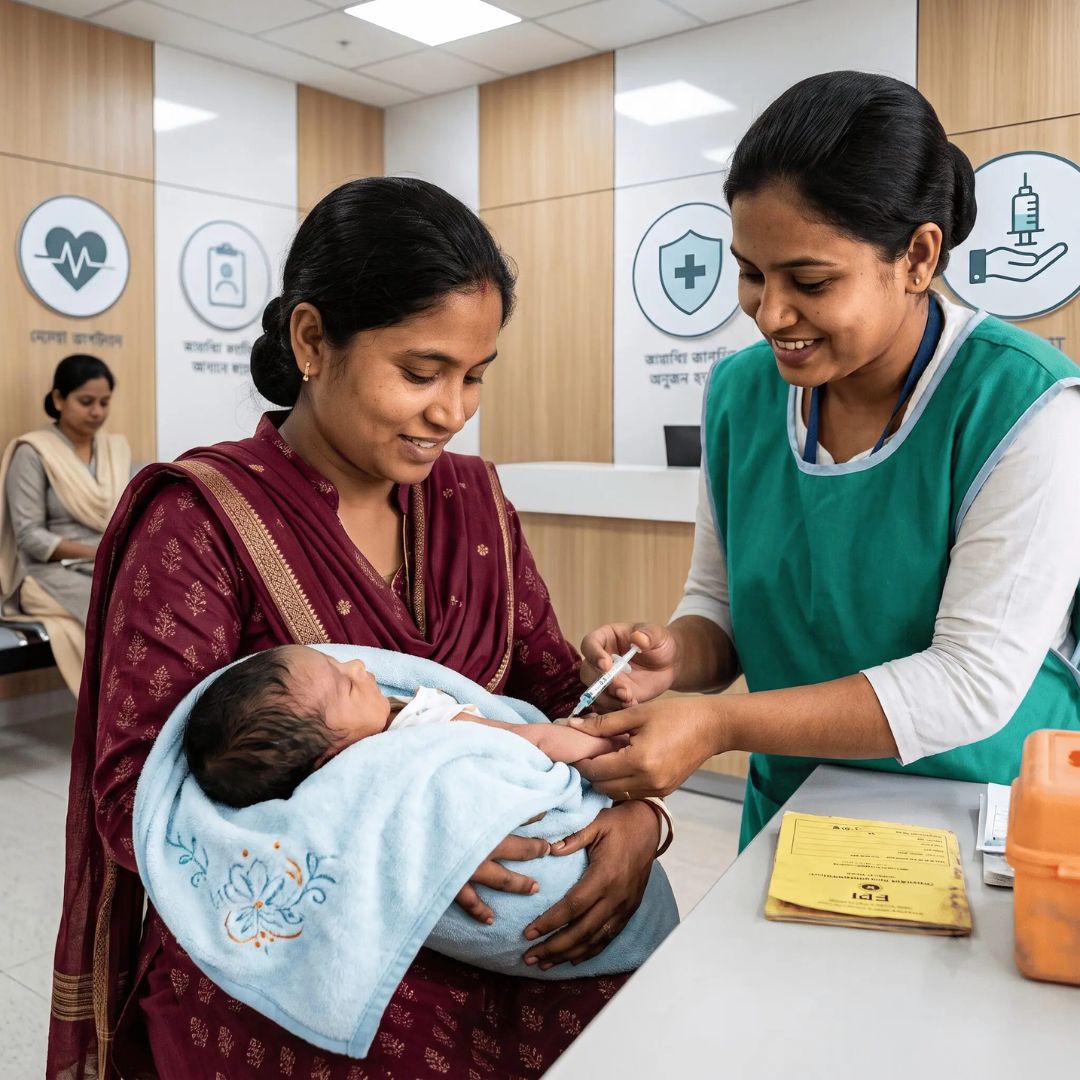
Welcoming a new baby comes with a lot of responsibilities. Simplify your baby's health journey with this clear, easy-to-read guide to Bangladesh’s official EPI newborn vaccination schedule for their first year.
Read More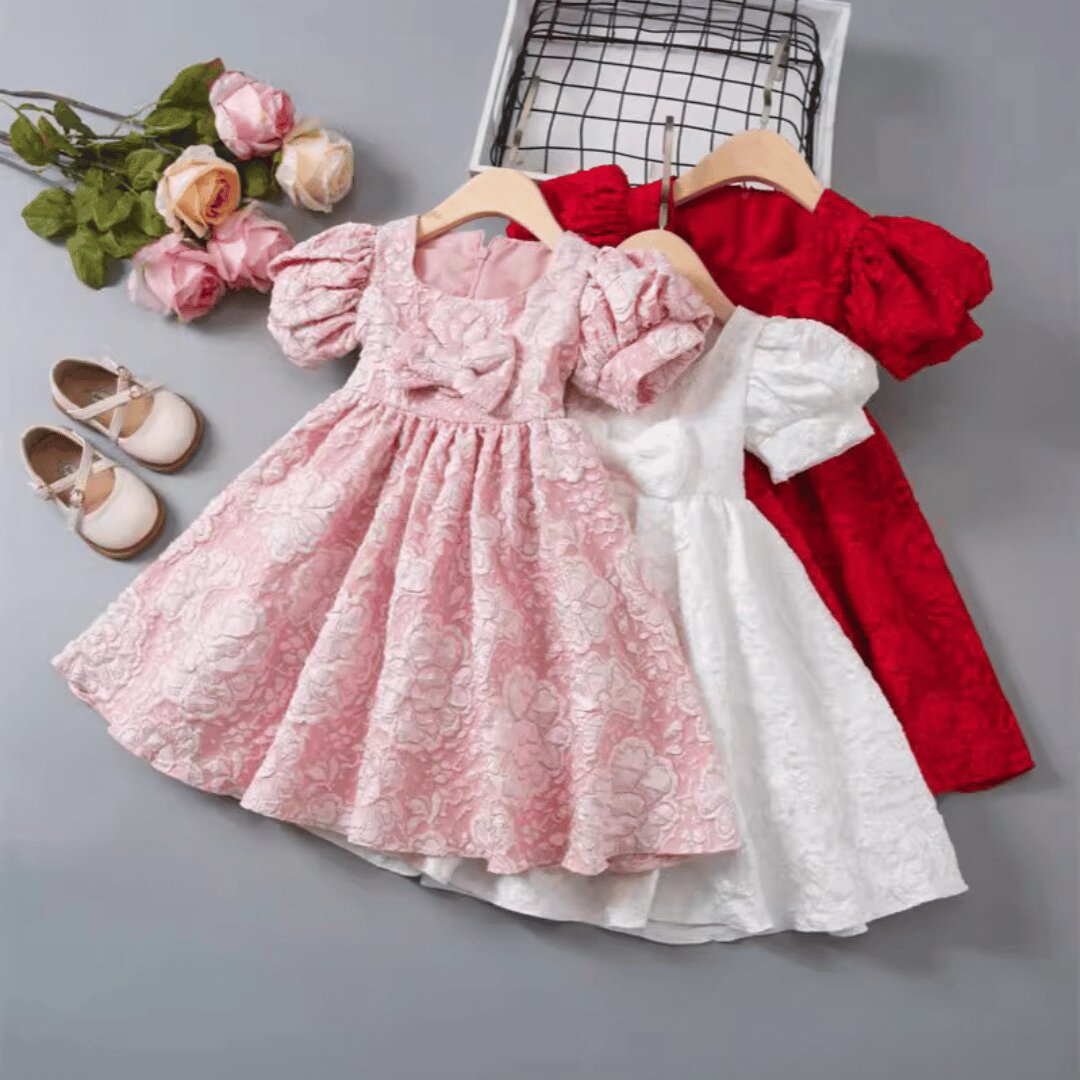
Love the look of heavy, luxurious formal dresses but hate how hot they make your toddler? Discover how Sadia found the perfect breathable, embossed floral dress at YUSHA that looks expensive but feels like a summer breeze.
Read More