


The Fourth Trimester: A Complete Guide to Postpartum Recovery and Maternal Health
The first few months after childbirth are a critical time for a mother's physical healing and mental well being. Explore our comprehensive guide on navigating the fourth trimester, managing physical recovery, understanding postpartum depression, and prioritizing maternal health.
When a baby is born, a mother is also reborn. While society often shifts all its focus entirely to the newborn, the mother undergoes one of the most intense physical and emotional transitions of her life. In the medical community, the first 12 weeks after childbirth are known as the "Fourth Trimester."
In Bangladesh, we have a rich culture of postpartum confinement and family support, but modern mothers also face unique urban pressures. Whether you had a normal delivery or a Cesarean section (C-section), prioritizing your maternal health is not a luxury, it is an absolute necessity. Remember the golden rule of parenting: "You cannot pour from an empty cup".
Physical Recovery: Healing Your Body
Childbirth is a major medical event. Your body needs time, rest, and patience to heal. Organizations like UNICEF Bangladesh emphasize the critical importance of postnatal care for maternal survival and well-being. Here is what you need to focus on physically:
- Managing Pain and Stitches: Whether you have perineal stitches from a normal delivery or a C-section incision, keep the area clean and dry. For C-sections, avoid lifting anything heavier than your baby for the first few weeks. Take your prescribed painkillers; suffering through the pain slows down your recovery.
- Postpartum Bleeding (Lochia): It is normal to experience heavy bleeding for the first few days, which will gradually turn lighter and can last up to 6 weeks. Stock up on heavy-duty maternity pads. Red flag: If you are soaking through a pad in an hour, contact your doctor immediately.
- Resting When the Baby Rests: This age-old advice is medically sound. Sleep deprivation actively hinders cellular repair and increases the risk of postpartum depression. Let your family handle the household chores while you focus exclusively on resting and feeding.

Nutrition: Fueling the Fourth Trimester
If you are breastfeeding, your body is burning an extra 500 calories a day. Nutrition during this period is vital. While traditional Bangladeshi postpartum foods like Kalijira (black cumin) bharta and Lau (bottle gourd) are excellent for lactation, you must ensure a balanced diet.
- Hydration is Key: Keep a large water bottle next to you at all times. Breastfeeding makes you incredibly thirsty, and dehydration can cause fatigue and reduce milk supply.
- Iron and Calcium: Continue taking your prenatal vitamins, especially iron and calcium, as recommended by the Directorate General of Health Services (DGHS). Incorporate leafy greens, lean meats, and dairy into your daily meals to replenish the nutrients lost during childbirth.
Maternal Mental Health: The Invisible Battle
Perhaps the most neglected aspect of postnatal care in South Asia is the mother’s mental health. The massive drop in hormones immediately after birth, combined with sleep deprivation, creates a perfect storm for emotional instability. It is vital to know the difference between standard hormonal shifts and clinical conditions.
1. The "Baby Blues": Up to 80% of new mothers experience the baby blues. Symptoms include unexplainable crying, mood swings, anxiety, and irritability. These feelings usually start a few days after delivery and resolve on their own within two weeks.
2. Postpartum Depression (PPD): If the baby blues last longer than two weeks, or if the symptoms are severe enough to interfere with your ability to care for yourself or your baby, you may be experiencing PPD. According to the WHO, maternal depression is highly treatable, but it requires professional help. Look out for these signs:
- Severe mood swings or feeling disconnected from your baby.
- Overwhelming fatigue or loss of energy.
- Intense irritability, anger, or feelings of worthlessness and guilt.
- Severe anxiety or panic attacks.
The Role of the Support System
Fathers and grandparents play a crucial role in the fourth trimester. The best way to support a new mother is not just by holding the baby, but by taking over the mental and physical load of the household. Partners should manage doctor's appointments, ensure the mother is eating hot meals, and take over diaper duties so she can secure longer stretches of uninterrupted sleep.
Remember, asking for help does not make you a bad mother, it makes you a responsible one. Speak to your gynecologist or a mental health professional if you feel overwhelmed. Taking care of your physical and mental health is the greatest gift you can give to your newborn child.
Random Posts

Every parent wants their child to look like a star this Eid, but at what cost? Read Samia's story about finding the balance between festive style and toddler comfort.
Read More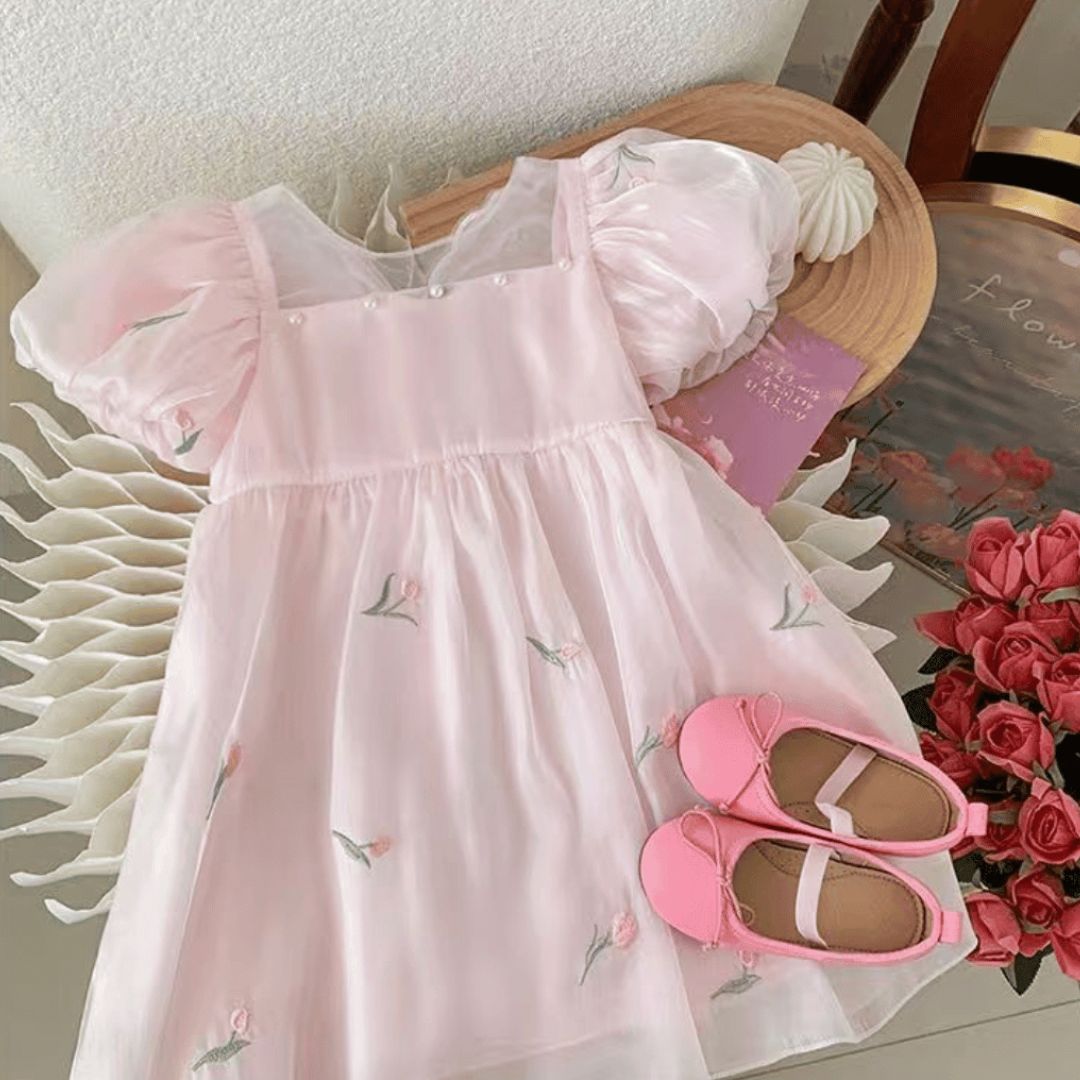
Bring her fairy tale to life with the Pink Butterfly Fairy Party Dress. Featuring delicate floral embroidery, pearl accents, sheer puff sleeves, and sparkling butterfly wings on the back. Designed with a comfortable A-line silhouette and a soft inner lining.
Read More
Bangladesh previously had a strong track record against measles. Discover the systemic issues, immunity gaps, and socio-economic factors that triggered the devastating 2026 resurgence.
Read More
Returning to work after maternity leave is one of the hardest transitions for a new mother. Learn how to manage separation anxiety, handle childcare logistics, and overcome the overwhelming feeling of mom guilt as a modern Bangladeshi working mother.
Read More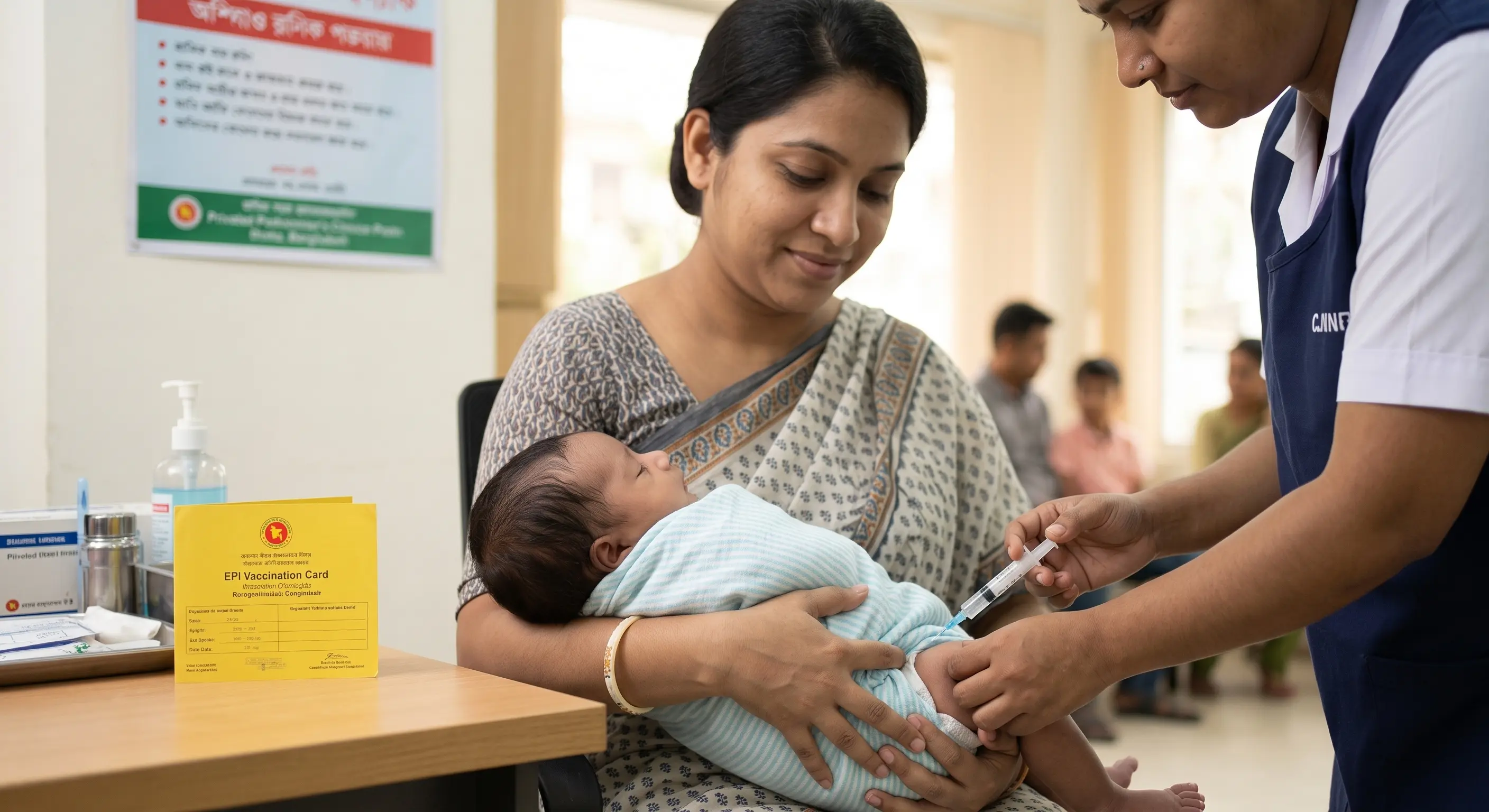
Vaccine day can be stressful for both parents and babies. Learn how to prepare for the appointment, understand normal side effects like mild fever, and discover the best ways to soothe your newborn after their EPI immunizations.
Read More
Let her bloom this summer in the Rose Bloom Lace Princess Dress. Featuring a stunning 3D rose mesh skirt, a beautiful statement bow, and a breathable soft cotton lining for all-day comfort. Available in red and pink.
Read More