

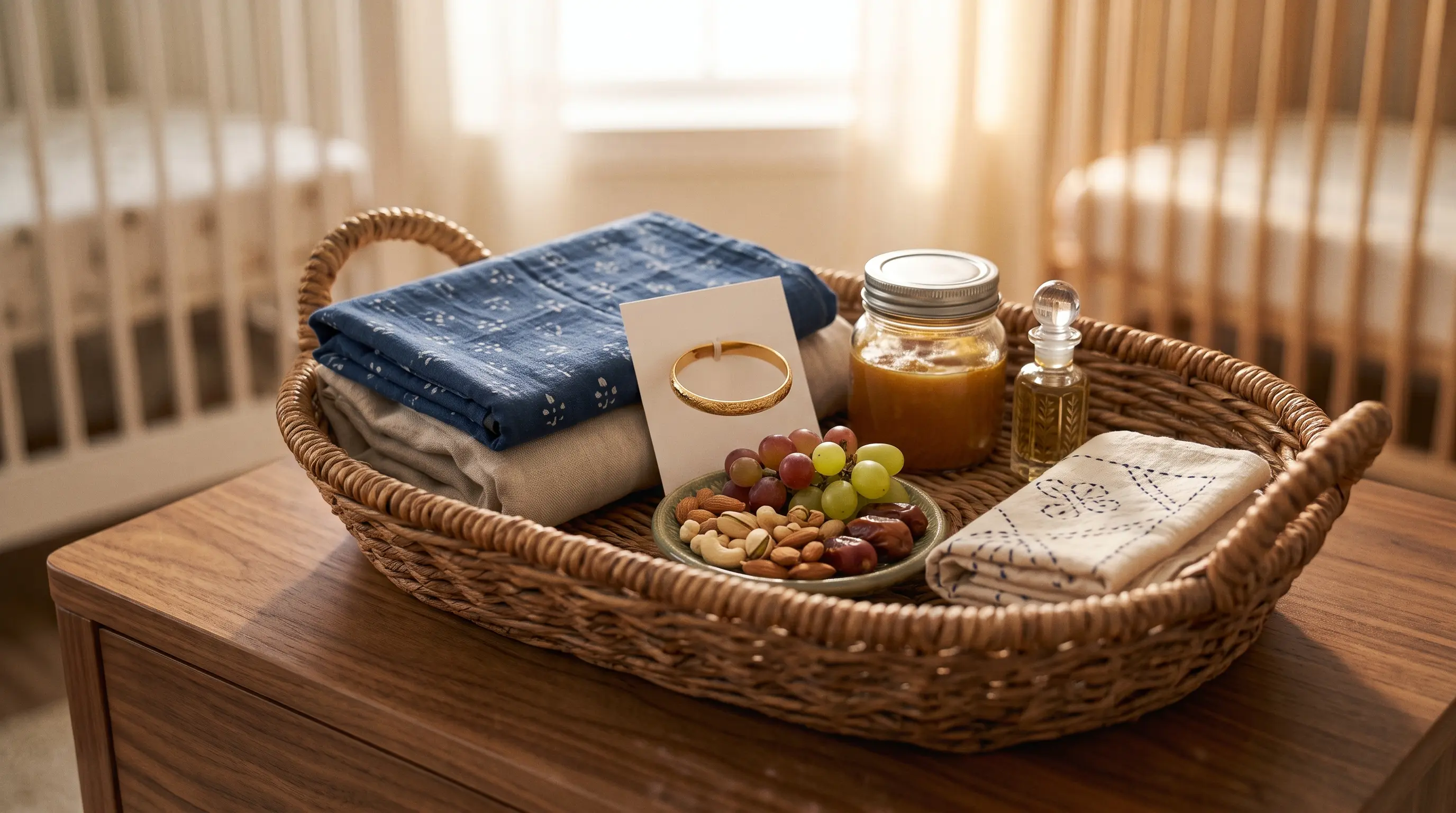
Breaking the "Perfect Mother" Myth: Setting Boundaries and Self-Care in South Asian Culture
In South Asia, mothers are often expected to sacrifice everything while neglecting their own health. Learn how to navigate cultural pressures, handle unsolicited parenting advice, and prioritize your well-being without the guilt.
In South Asia, we place mothers on a pedestal. We celebrate their endless sacrifices, their sleepless nights, and their ability to put everyone else’s needs before their own. But there is a dark side to this cultural reverence, it creates an environment where a mother’s actual, human needs are deeply neglected.
The expectation to be the "perfect mother" leaves countless women in Bangladesh feeling exhausted, guilty, and invisible. It is time to rewrite this narrative. Being a good mother does not mean giving up your identity, your health, or your peace of mind. Let’s explore how to break generational cycles and prioritize maternal well-being.
Unlearning the "Sacrifice" Trope
From a young age, women in our culture are subtly taught that their worth is tied to how much they endure for their families. This often leads to maternal depletion—a state of chronic physical and emotional exhaustion. Mothers skip hot meals to feed children, delay their own doctor's appointments, and hide their exhaustion for fear of being judged as "weak" or "complaining."
To break this cycle, we must normalize the fact that mothers are human beings first. Eating a warm meal, taking a long shower, or asking for an hour of uninterrupted silence is not selfish; it is basic human maintenance.
Navigating Unsolicited Advice
If there is one universal experience for a new mother in Bangladesh, it is the avalanche of unsolicited advice. Aunts, neighbors, and extended family members will frequently offer their opinions on everything from your baby’s weight to your breastmilk supply. While often well-intentioned, this constant critique can severely damage a new mother's confidence. Here is how to handle it:
- The "Smile and Deflect" Method: For passing comments from distant relatives, simply say, "Thank you, I will keep that in mind," and immediately change the subject. You do not need to justify your parenting choices to everyone.
- The "Doctor’s Orders" Defense: In South Asian culture, medical authority is highly respected. If pressured to give water to a newborn or apply unprescribed oils, firmly state, "Our pediatrician strictly advised against this, so we are following their medical protocol."
- Setting Hard Boundaries: With closer family members, you may need to be direct. It is okay to say, "I know you care, but comments about my baby's sleep schedule are making me anxious. I need you to support me by trusting my judgment."

Reclaiming Your Individual Identity
Motherhood is an addition to your identity, not a replacement for it. However, many women feel an immense wave of "mom guilt" when they want to do something strictly for themselves, whether that is returning to work, reading a book, or having coffee with friends.
Children thrive when they are raised by happy, fulfilled women. By pursuing your passions and maintaining your individual identity, you are actually modeling healthy self-esteem for your child. Schedule "off-duty" time every week and treat it with the same non-negotiable importance as a doctor's appointment.
The Role of the Modern Father
Protecting the mother is a team effort. Fathers must step up, not just as "helpers," but as equal parents. One of the most important roles a husband can play is acting as a shield against cultural pressures. By managing the household, taking the baby without being asked, and firmly defending his wife's parenting choices to the extended family, a father creates a safe environment where the mother can finally breathe.
Motherhood is a marathon, not a sprint. To the mothers reading this: Your health matters. Your peace of mind matters. You are doing a phenomenal job, and it is time you take care of yourself just as fiercely as you take care of your children.
Random Posts
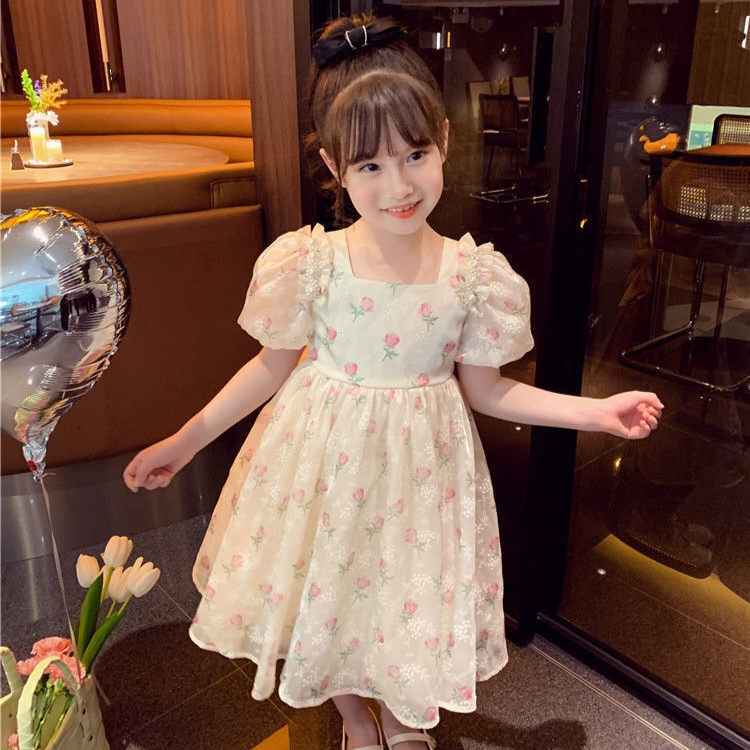
Worried about your little one melting in the hot, humid Eid-ul-Adha weather? Read how Nadia found the perfect balance of vintage elegance and breathable summer comfort with YUSHA's Vintage Rose Princess Dress.
Read More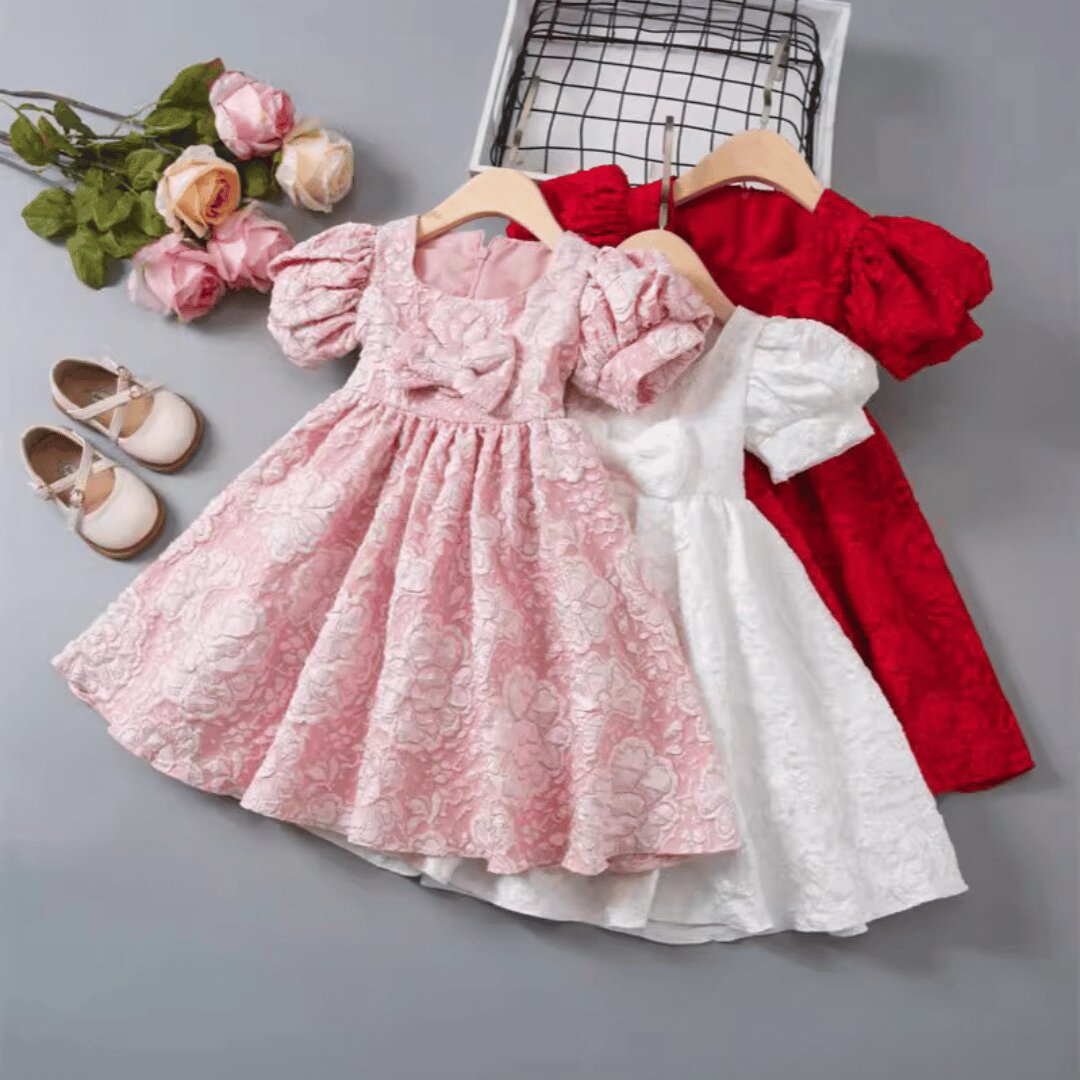
Love the look of heavy, luxurious formal dresses but hate how hot they make your toddler? Discover how Sadia found the perfect breathable, embossed floral dress at YUSHA that looks expensive but feels like a summer breeze.
Read More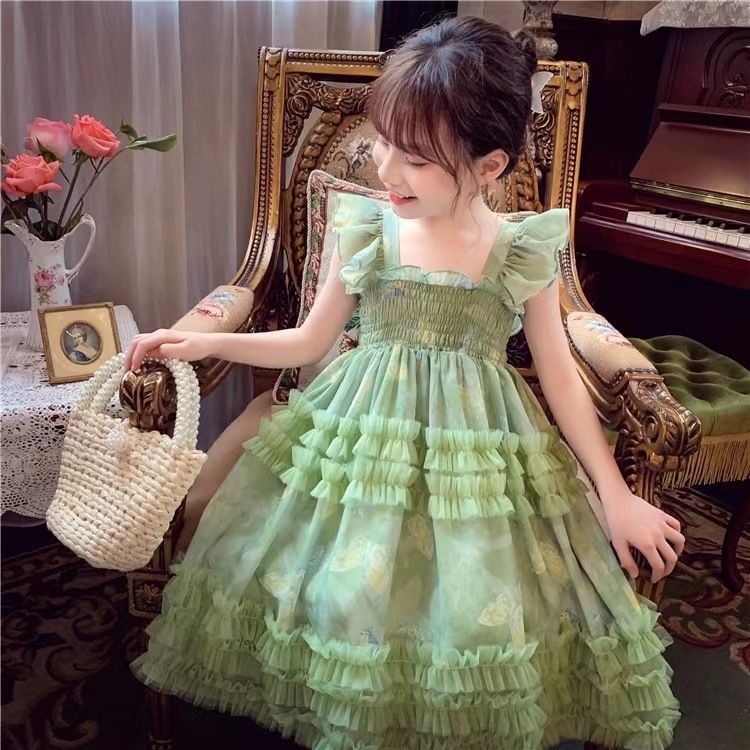
Every parent wants their child to look like a star this Eid, but at what cost? Read Samia's story about finding the balance between festive style and toddler comfort.
Read More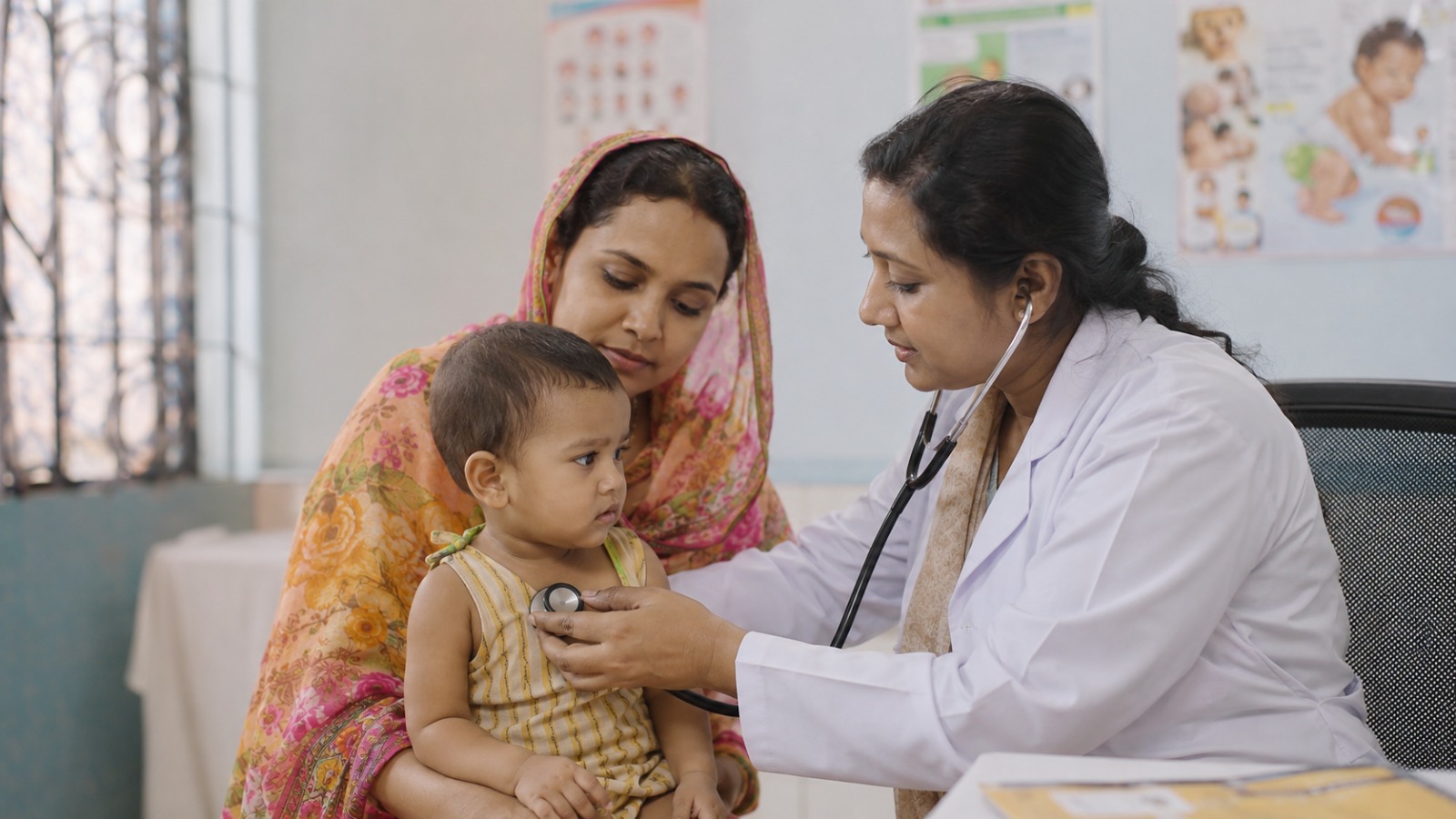
Protect your family during the 2026 measles outbreak. Learn how to identify early symptoms, the immediate steps to take if exposed, and the critical importance of vaccination and nutrition.
Read More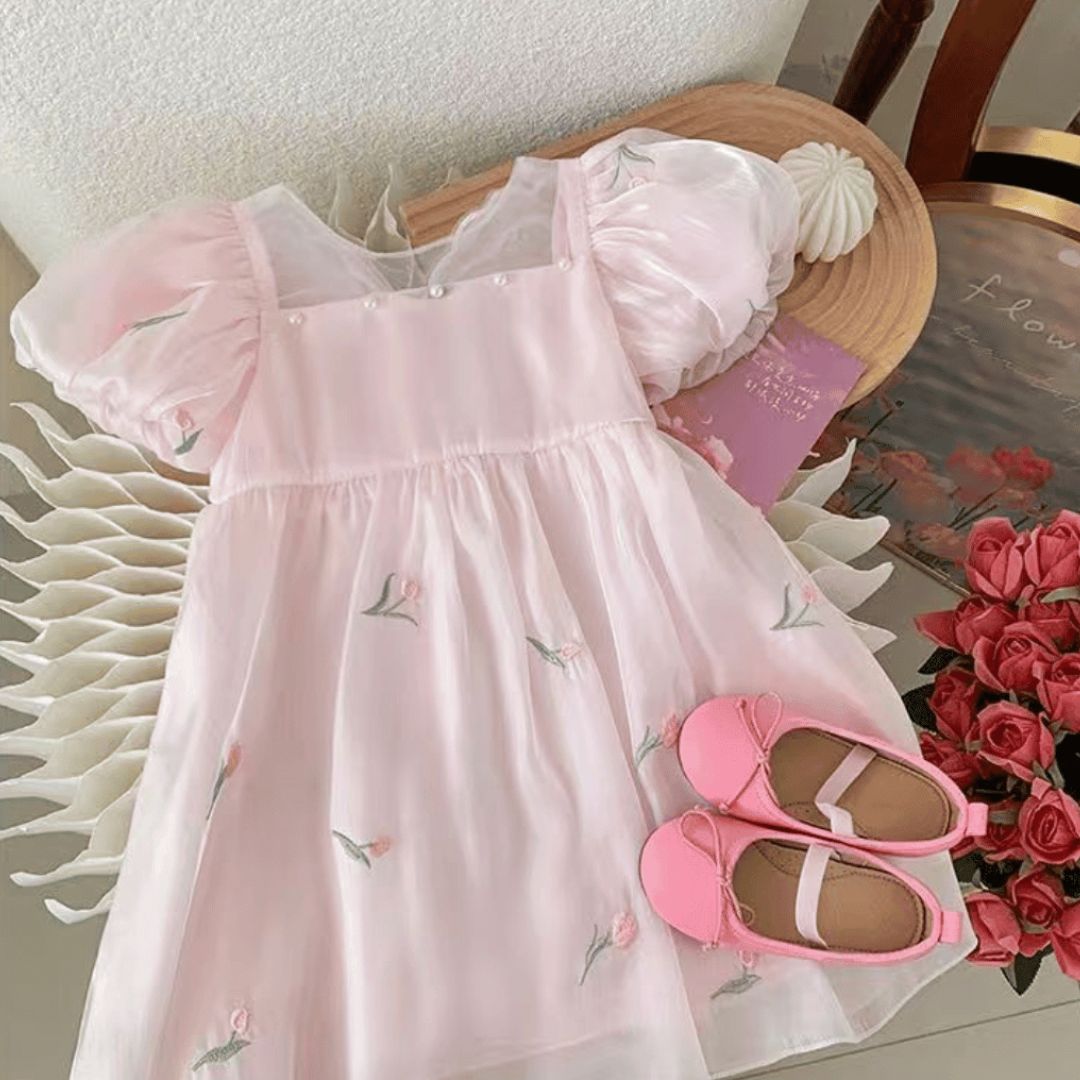
Bring her fairy tale to life with the Pink Butterfly Fairy Party Dress. Featuring delicate floral embroidery, pearl accents, sheer puff sleeves, and sparkling butterfly wings on the back. Designed with a comfortable A-line silhouette and a soft inner lining.
Read More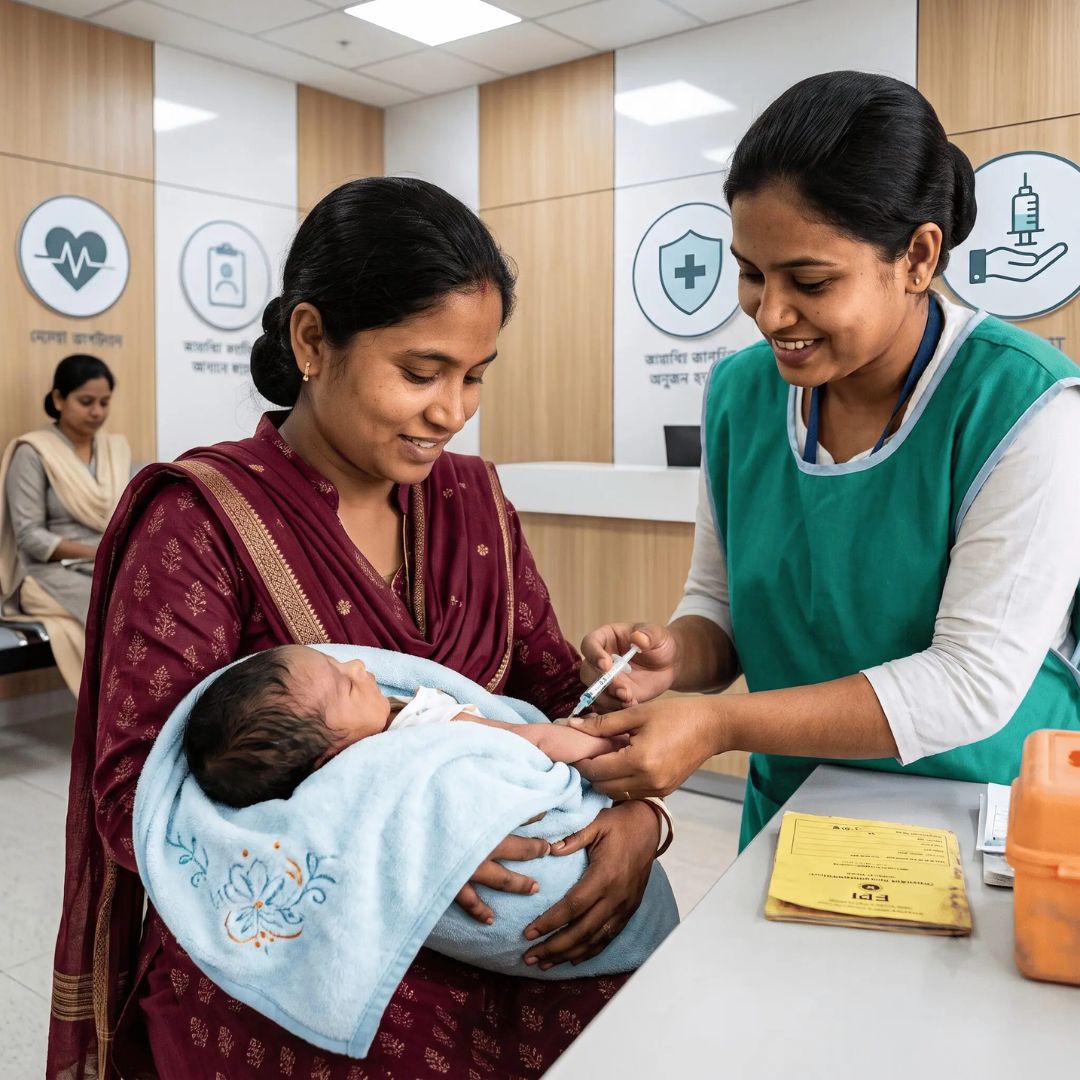
Welcoming a new baby comes with a lot of responsibilities. Simplify your baby's health journey with this clear, easy-to-read guide to Bangladesh’s official EPI newborn vaccination schedule for their first year.
Read More