

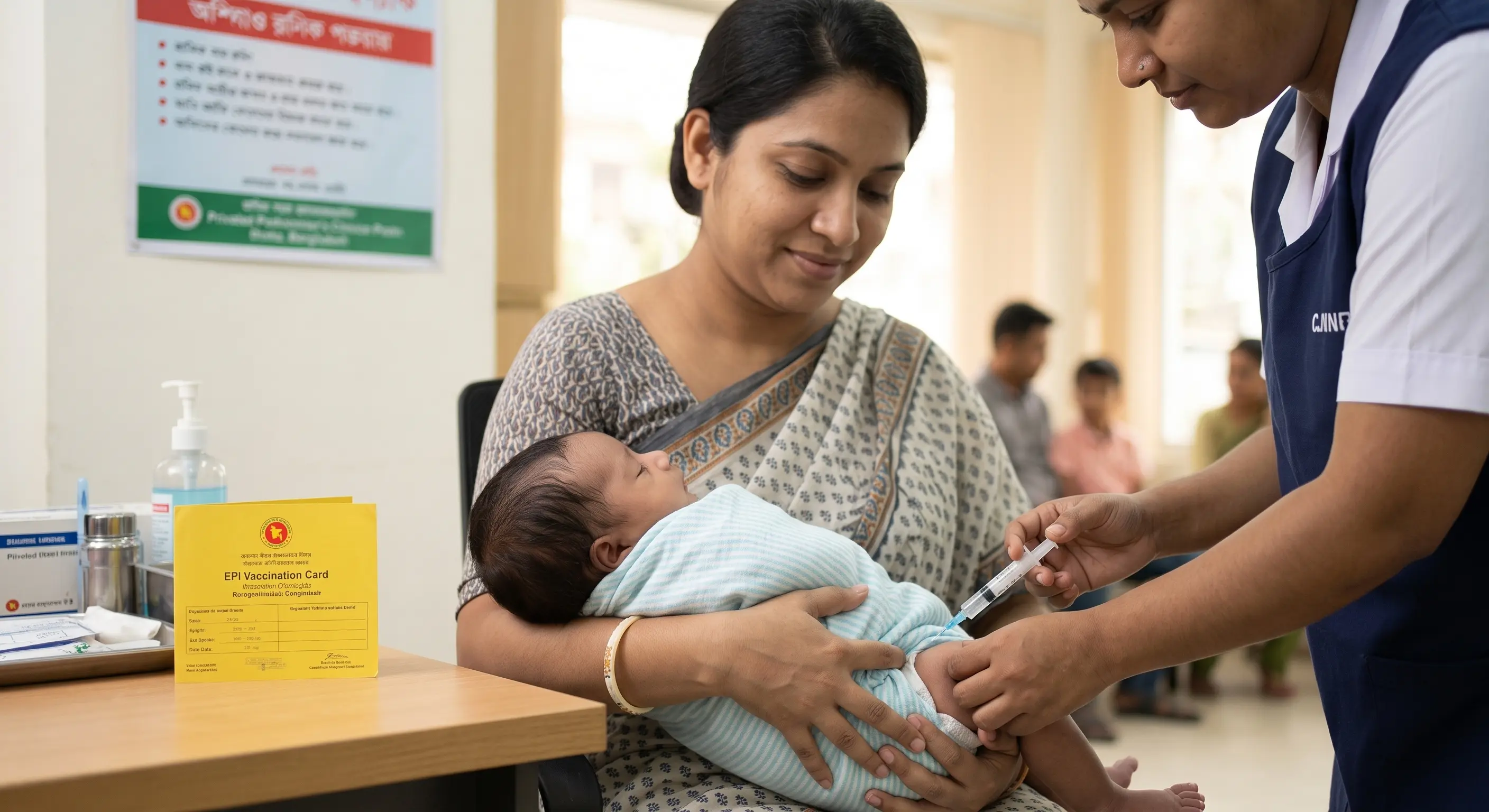
Navigating Newborn Vaccinations: Preparation, Side Effects, and Aftercare
Vaccine day can be stressful for both parents and babies. Learn how to prepare for the appointment, understand normal side effects like mild fever, and discover the best ways to soothe your newborn after their EPI immunizations.
You have your baby’s vaccination schedule memorized, and the appointment date is marked on the calendar. But as the day approaches, it is completely normal to feel a knot of anxiety. Watching your little one get an injection is one of the hardest parts of early parenthood.
The good news is that with a little preparation and knowledge, you can make the experience much smoother for both of you. Understanding what to expect before, during, and after your visit to the clinic will give you the confidence to support your baby through their essential immunizations.
Preparing for the Clinic Visit
A smooth vaccination day starts before you even leave the house. Here is how to prepare:
- Dress for Comfort and Access: Dress your baby in loose, comfortable clothing that allows easy access to their thighs, as this is where most infant vaccines are administered. Avoid tight layers that will be difficult to take off and put back on while the baby is fussing.
- Bring the Essentials: Never forget your yellow EPI Vaccination Card. The Directorate General of Health Services (DGHS) requires this to officially track your baby’s immunization history. Pack their favorite soothing toy and an extra diaper.
- Feed Beforehand: A hungry baby is a cranky baby. Try to feed your newborn right before leaving for the clinic so they are relaxed.
Understanding Normal Side Effects
It is very common for babies to have a mild reaction after receiving vaccines like the Pentavalent or PCV. These reactions are actually a positive sign that your baby's immune system is actively building protection. According to the World Health Organization (WHO), normal and safe side effects include:
- Low-grade fever: A slight increase in body temperature for 1 to 2 days.
- Redness and Swelling: A small, hard lump or redness at the injection site on the thigh.
- Fussiness and Sleepiness: Your baby might cry more than usual, want to be held constantly, or sleep longer than normal.

Aftercare: Soothing Your Baby at Home
Once you are back home, your main job is comfort. Offer extra breastmilk or formula, as hydration helps regulate their body temperature. You can gently apply a cool, damp cloth to the injection site to reduce redness and swelling—but avoid rubbing the area.
If your baby develops a fever, do not give medication without asking your doctor first. Always consult your pediatrician regarding the correct dosage of paracetamol drops suitable for your baby’s exact age and weight.
Remember, while seeing your baby uncomfortable is difficult, the fussiness usually disappears within 48 hours. That short period of discomfort grants them a lifetime of protection against serious, preventable diseases. Give them plenty of cuddles, and you will both get through it just fine!
Random Posts
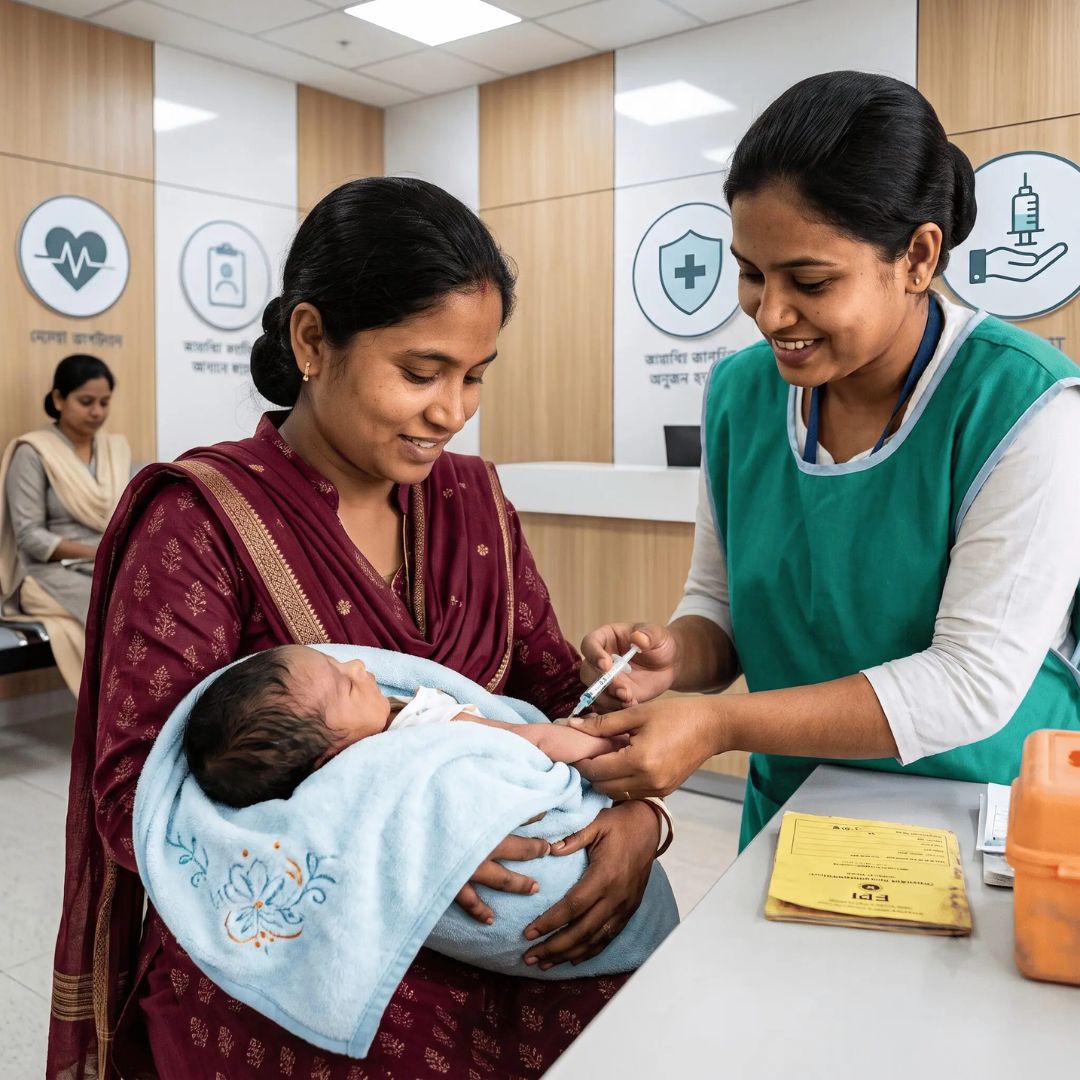
Welcoming a new baby comes with a lot of responsibilities. Simplify your baby's health journey with this clear, easy-to-read guide to Bangladesh’s official EPI newborn vaccination schedule for their first year.
Read More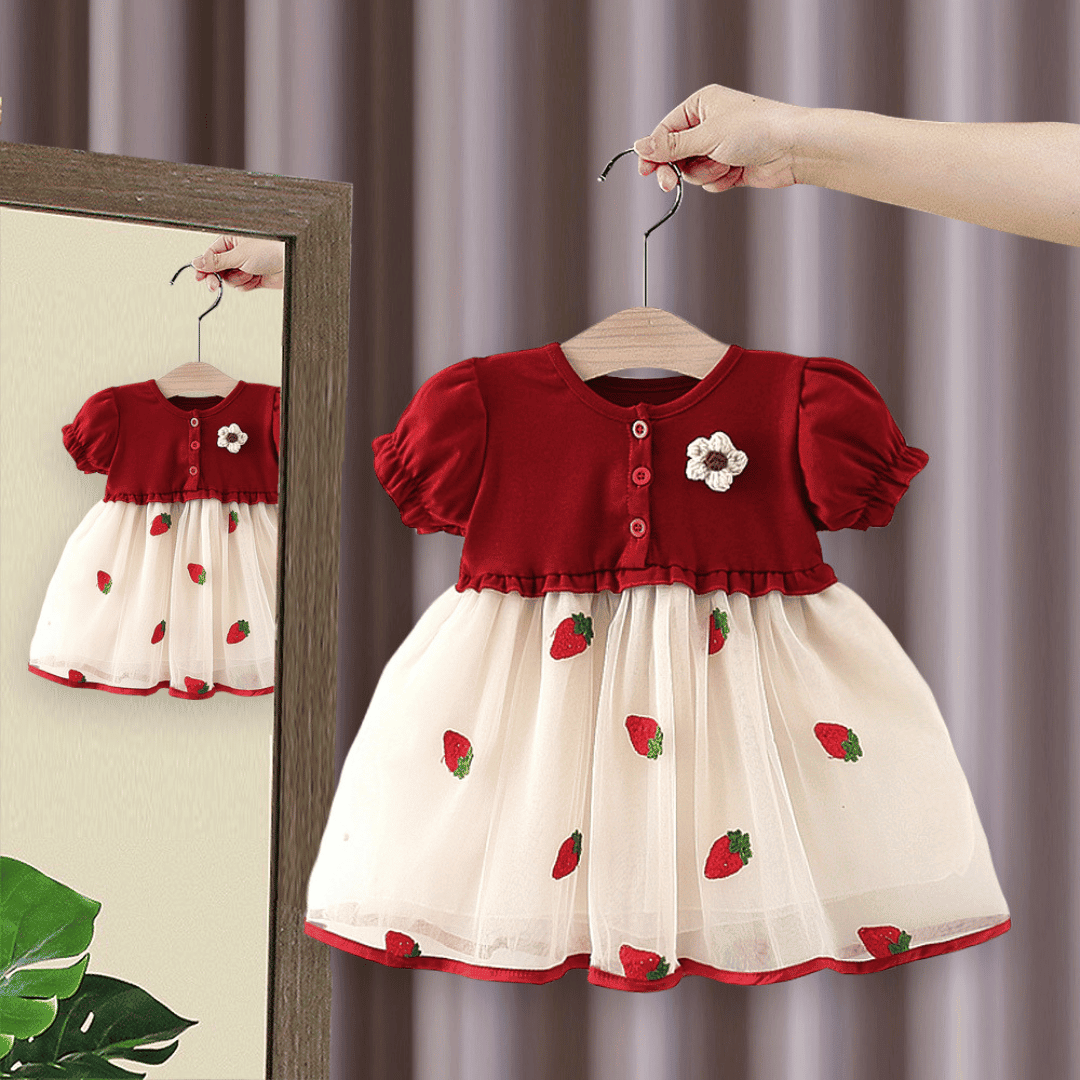
Tired of party dresses she only wears once? The Strawberry Princess Party Dress combines a soft, breathable cotton bodice with a beautifully embroidered strawberry skirt, perfect for both summer birthdays and everyday play.
Read More
Did your baby miss a scheduled EPI vaccine due to a cold or a busy schedule? Don't panic. Learn what steps to take for delayed doses, when it is actually safe to postpone, and the facts behind common vaccination myths.
Read More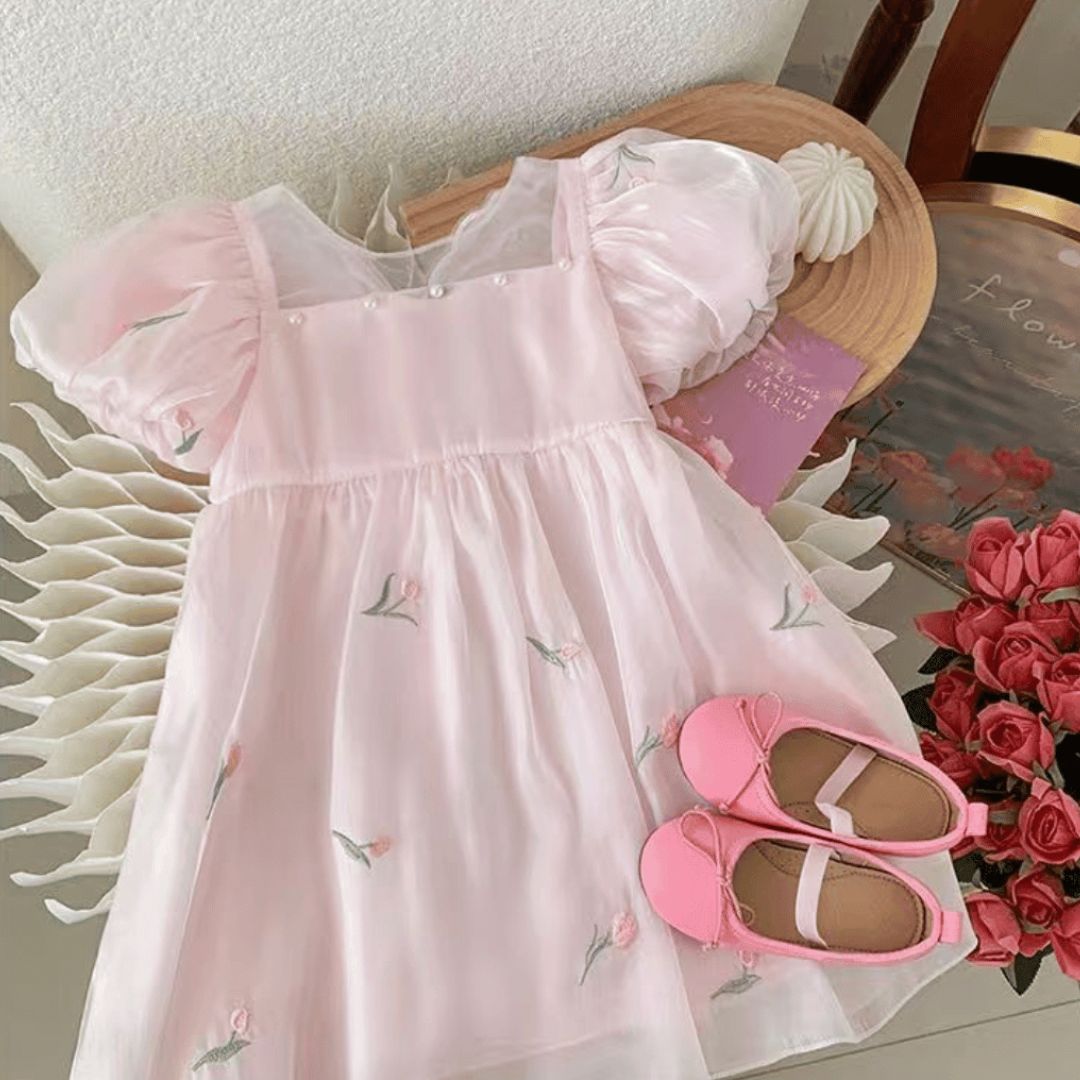
Bring her fairy tale to life with the Pink Butterfly Fairy Party Dress. Featuring delicate floral embroidery, pearl accents, sheer puff sleeves, and sparkling butterfly wings on the back. Designed with a comfortable A-line silhouette and a soft inner lining.
Read More
Explore how modern fathers are breaking traditional gender norms. Discover the shift from being strictly "providers" to becoming active caregivers, and why this equal partnership is vital for a mother’s mental health.
Read More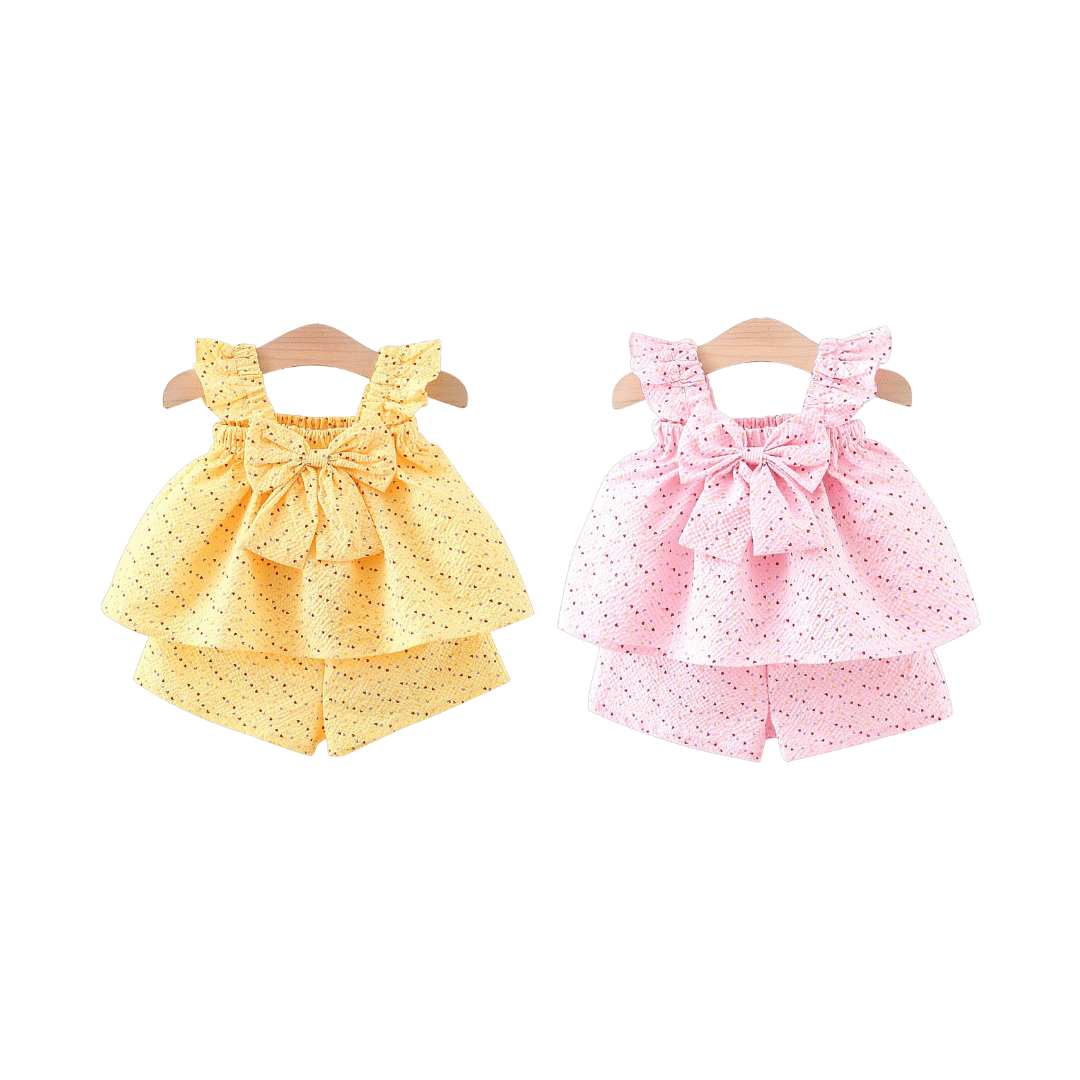
The formal events are over, but the summer heat is here to stay. Discover why parents are choosing YUSHA's 95% cotton Heart Print Shorts Set for stylish, breathable, everyday toddler playwear.
Read More